
Zygomatic Dental Implants
Innovative Solutions for Patients with Low Bone Density
A Confident Smile Is Still Possible at Any Age
We understand how discouraging it can feel when you want to replace missing teeth with dental implants but are told that bone loss may be a limiting factor. For many patients, traditional implants require a level of bone support that isn't always available.
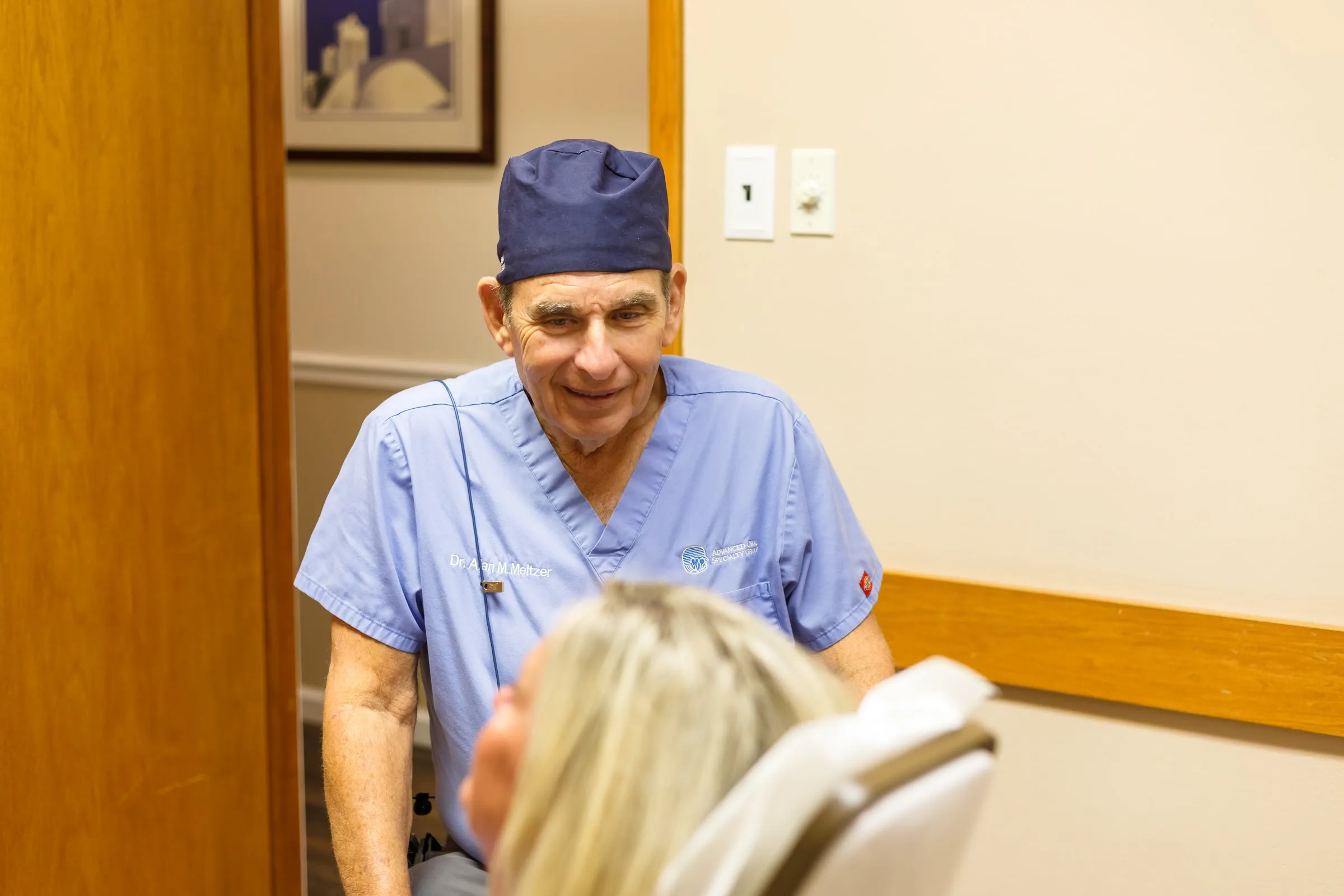
At Advanced Oral Specialty Group, Dr. Meltzer and Dr. Isleem offer advanced solutions for complex cases, including zygomatic dental implants. This specialized approach is designed for patients who may not qualify for conventional implants, allowing treatment to move forward even in cases of significant bone loss.
What This Approach Can Do for You
Overcome severe upper jaw bone loss challenges
Provide long-lasting stability for full-arch restorations
Offer a faster path to function for select patients
May avoid extensive grafting in advanced atrophy cases
Restore confidence when traditional implants were not an option
How Treatment Is Planned and Completed
1
Overcoming Bone Loss Challenges
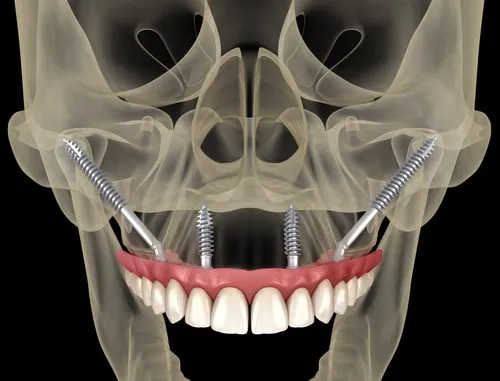
Zygomatic dental implants allow many patients with significant bone loss to move forward without the need for bone grafting. By anchoring to the stronger zygomatic bone, this approach creates a stable foundation for tooth replacement even in complex cases.

2
Long-Lasting Stability
Because these implants are secured in dense facial bone, they are designed to provide long-term support for a fixed restoration. This creates a dependable solution for patients who need a more advanced approach to tooth replacement.
3
Faster Path to Function
In many cases, patients can receive a functional restoration shortly after implant placement. This allows them to transition more quickly toward improved chewing ability and daily comfort compared to traditional treatment pathways.
4
Initial Consultation and Planning
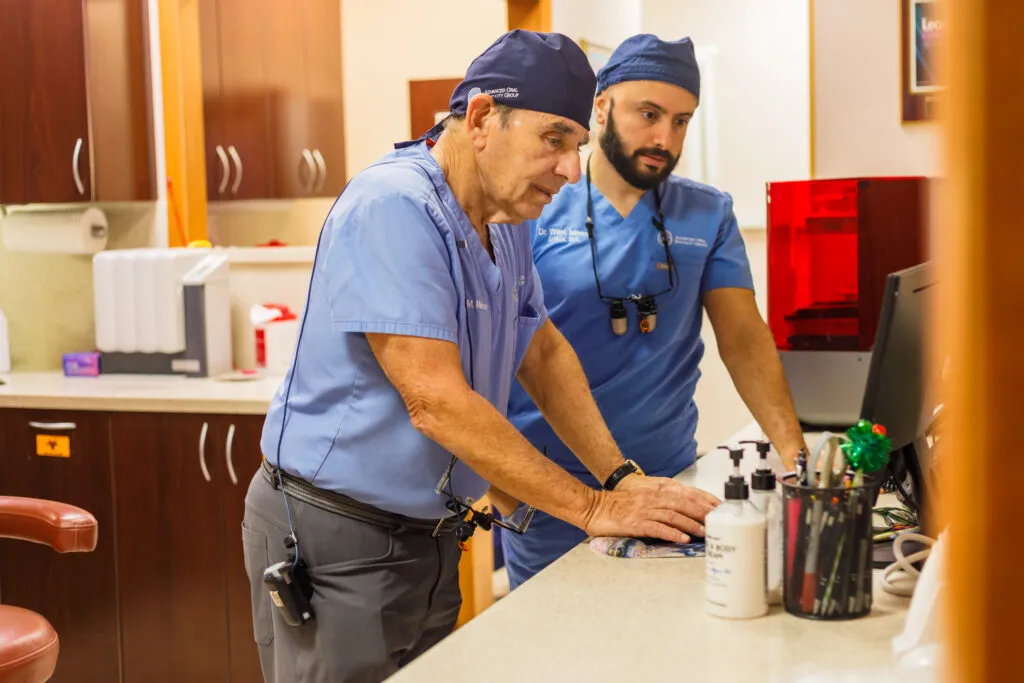
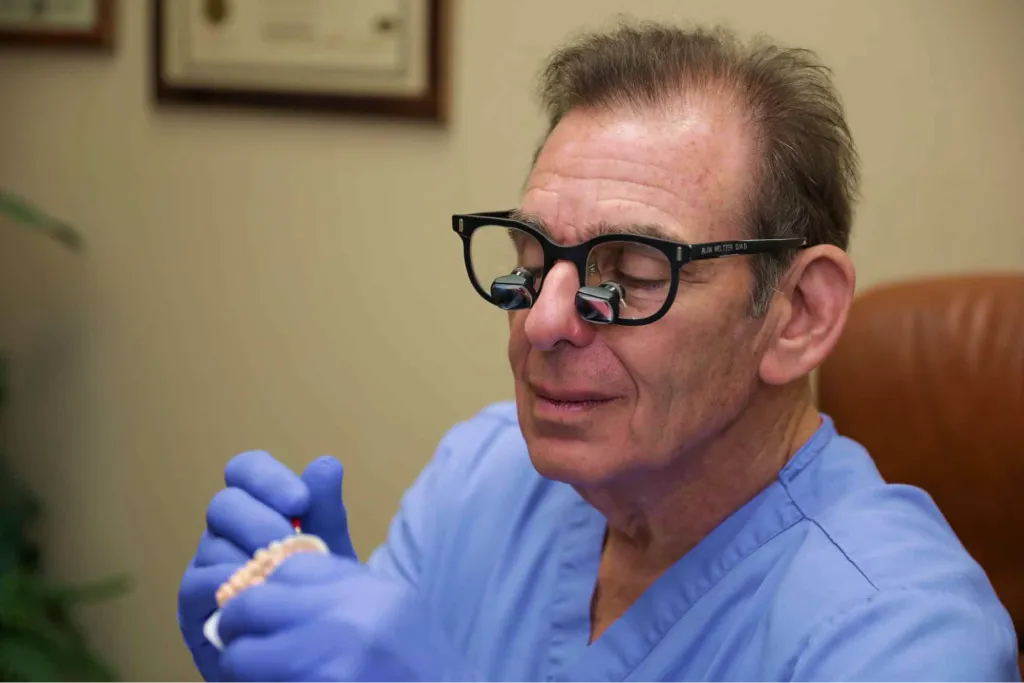
Your treatment begins with a detailed consultation with Dr. Alan Meltzer or Dr. Wael Isleem. Using advanced imaging, they carefully evaluate your bone structure and determine the most effective approach for your specific case.
Candidacy depends on anatomy, health, and restorative goals — confirmed in consultation.
5
Implant Placement
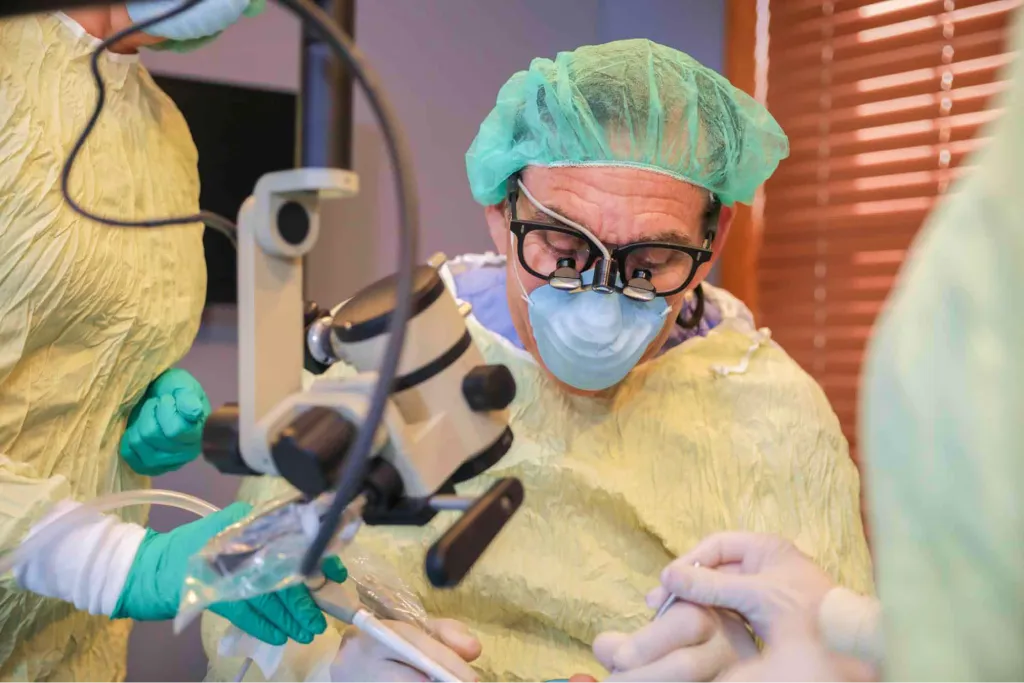
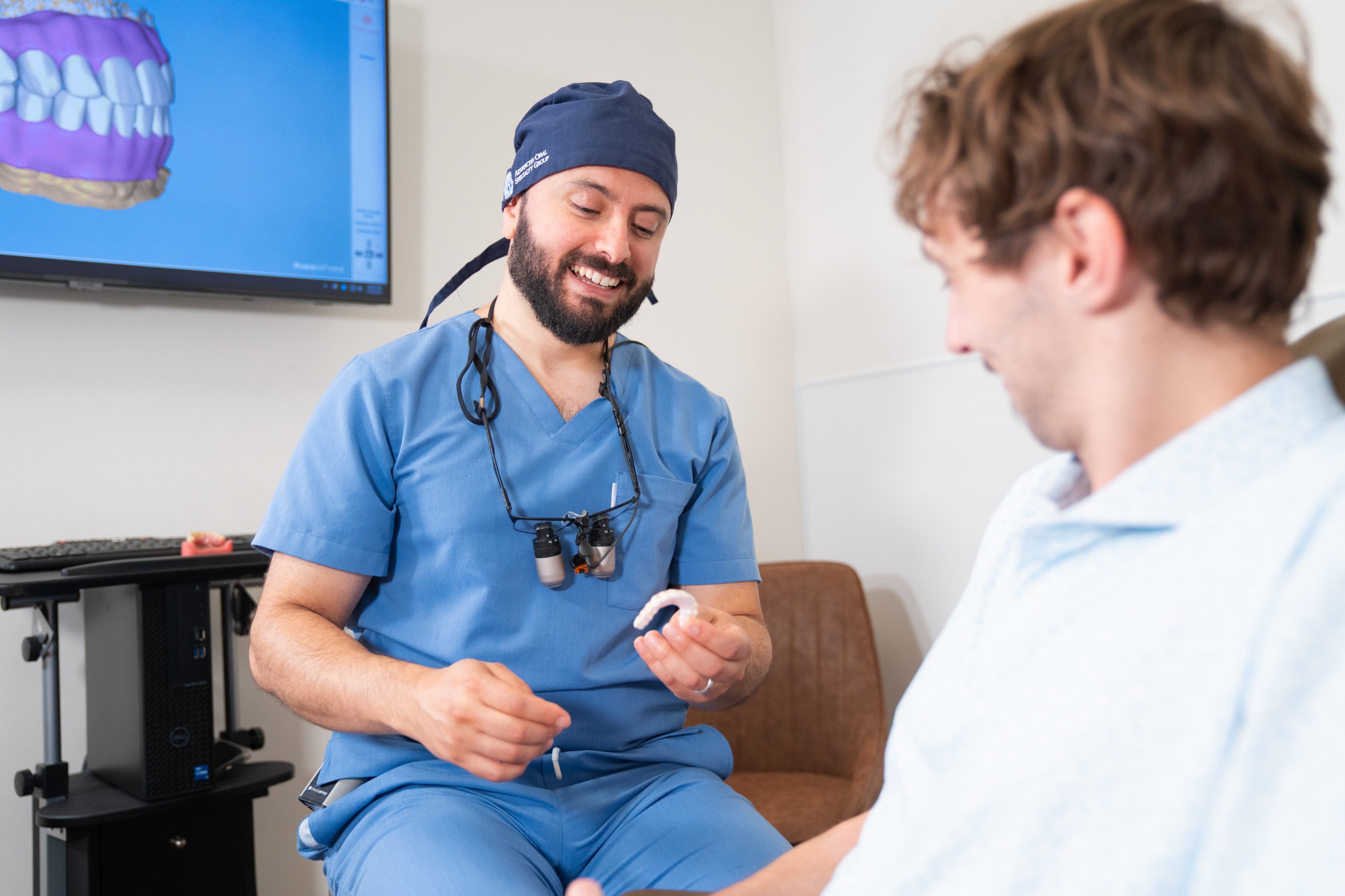
The procedure is performed under sedation or anesthesia for comfort. Zygomatic implants are precisely placed into the zygomatic bone to create a stable foundation for your new teeth, using advanced technology and guided surgical techniques to support accuracy and predictability.
6
Recovery and Aftercare
After surgery, you'll receive clear, personalized aftercare instructions. Dr. Meltzer, Dr. Isleem, and the team at Advanced Oral Specialty Group will continue to monitor your healing and guide you through each stage of recovery. Long-term, regular maintenance visits help us monitor your implants and the tissue around them, so your results stay stable.

What Patients Appreciate Most
Specialist surgical planning is essential for safety and longevity.
Maintenance visits protect the implants and prosthesis over time.

Follow-Up Focus Areas
Soft-tissue health around zygomatic and conventional implants
Prosthesis fit and hygiene access
Bite comfort and speech adaptation
Imaging surveillance as indicated
Home-care coaching for full-arch hygiene
Scheduling ongoing maintenance
Is This Treatment Right for You?
Zygomatic implants are designed for patients with complex dental needs where traditional implants may not be possible. This includes cases involving significant bone loss, previous implant failure, or long-term instability with dentures.
You may be a candidate if you have experienced extensive upper jaw bone loss, chronic dental infections that have affected bone quality, or if you want to avoid additional procedures like bone grafting. This approach is also considered for patients needing a more stable, long-term solution after multiple missing teeth or unsuccessful prior treatments.
During your consultation, Dr. Meltzer and Dr. Isleem will carefully evaluate your condition and determine whether this advanced treatment is the right option for your specific needs.
A New Path Forward with Advanced Implant Solutions
Zygomatic implants offer a reliable option for patients with severe bone loss who may not be candidates for traditional implants. If you've been told implants aren't an option for you, we invite you to schedule a consultation and explore what may be possible.

Frequently Asked Questions
Will zygomatic implants last as long as traditional implants?
Zygomatic dental implants are designed for longevity. With proper care and maintenance, they can last for many years, often paralleling the lifespan of traditional dental implants.
Is the procedure more painful?
The procedure is typically performed under anesthesia, minimizing discomfort during the surgery. Post-operative pain is generally manageable with prescribed medications, and most patients report less discomfort than anticipated.
How long will I take to recover?
Recovery times can vary, but most patients can resume normal activities within a few days. Complete healing and integration of the implants may take several weeks to a few months.
Can they be placed in both the upper and lower jaw?
Zygomatic implants are primarily used in the upper jaw due to the anatomy of the zygomatic bone. Traditional implants are usually more suitable for the lower jaw.
What is the success rate?
Low bone implants have a high success rate, similar to traditional dental implants. Success rates can vary based on individual circumstances and adherence to post-operative care.
What are the potential complications?
As with any surgical procedure, zygomatic dental implants carry certain risks, although they are relatively rare. Potential complications may include sinusitis due to proximity to the sinus cavity, nerve disturbance causing temporary or, in rare cases, permanent altered sensation, infection around the implant site, and implant failure or rejection. It is also possible to experience minor bleeding or swelling post-surgery. It’s important to discuss these risks thoroughly with your dental surgeon, like Dr. Meltzer and Dr. Isleem, to understand how they apply to your specific case and what measures are taken to minimize them.