
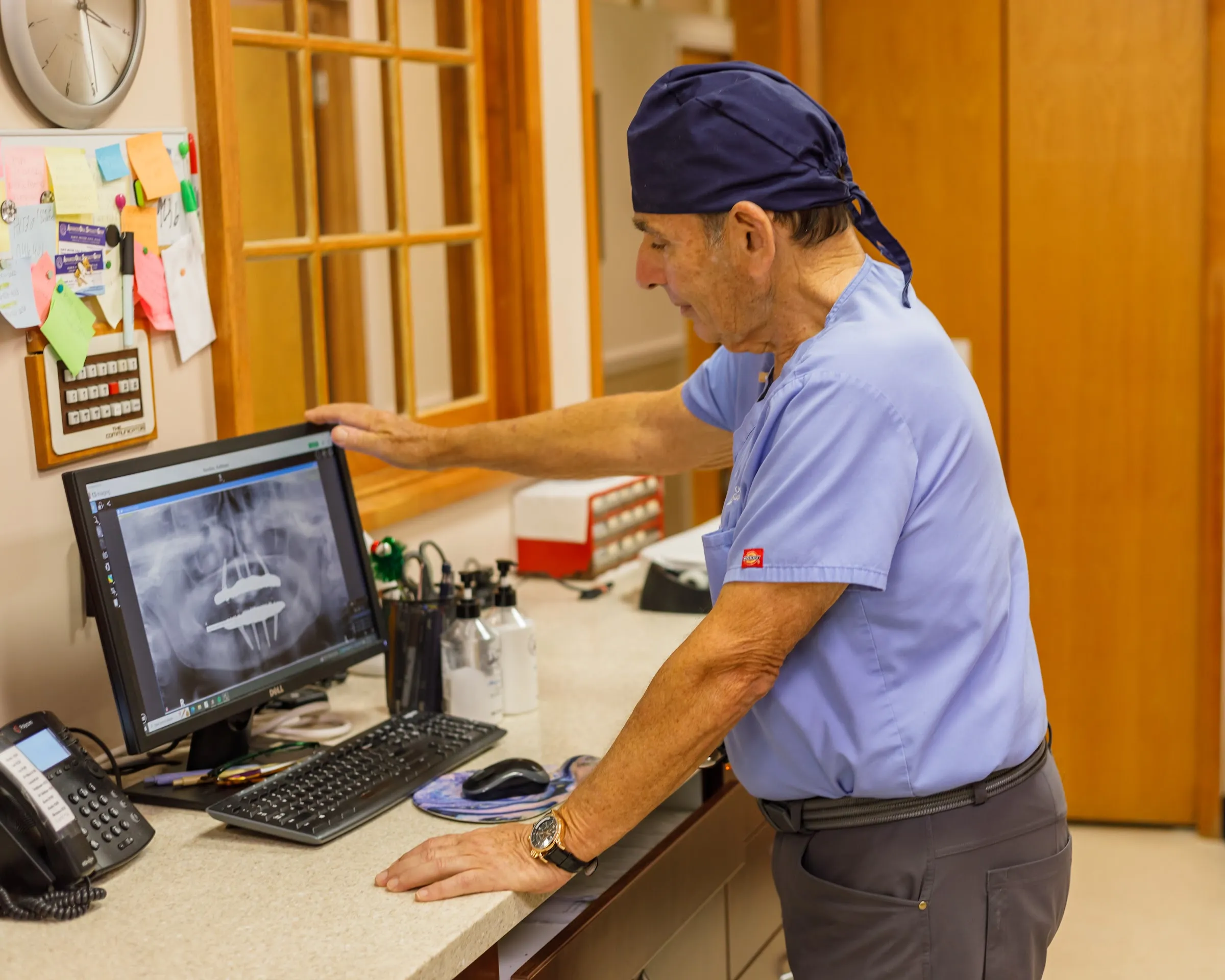
Single Tooth Replacement
Single Tooth Replacement in the Esthetic Zone
Protecting the Smile You Share With Others
Losing a front tooth is different. It is not just about restoring function. It is about protecting your appearance, your confidence, and the natural harmony of your smile.
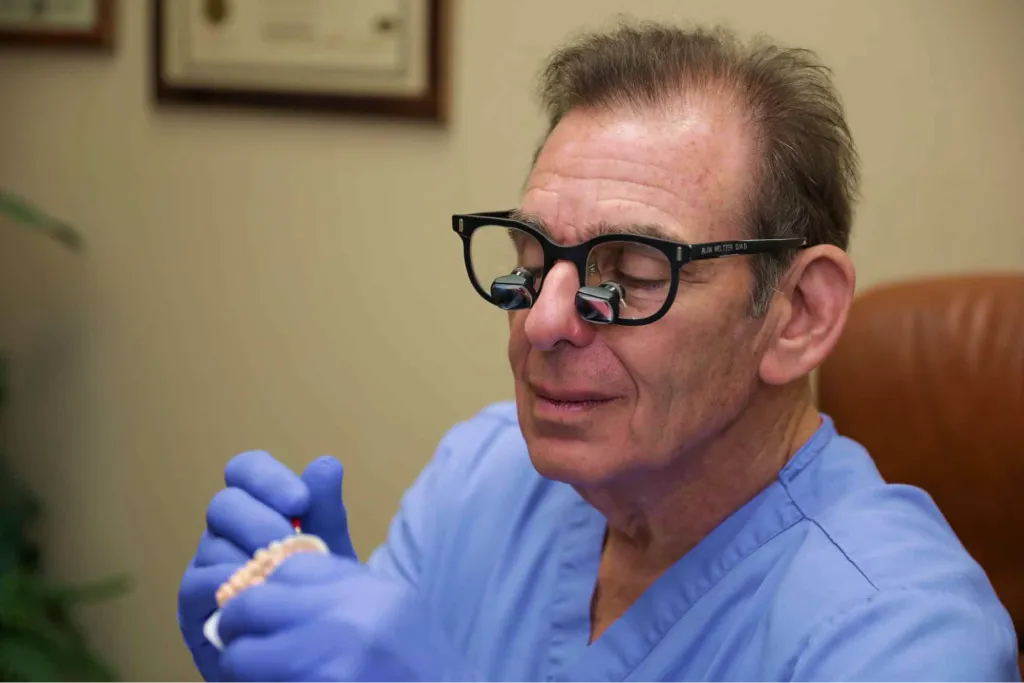
Replacing a single tooth in the esthetic zone requires advanced planning, surgical precision, and artistic restoration. Dr. Meltzer and Dr. Isleem will make your replacement tooth blend seamlessly, not stand out.
Planning Begins Before Your Extraction
Most implant procedures begin after a tooth has already been lost. By that time, changes in the surrounding bone and gum tissue may have already started. Our approach is different. Whenever possible, we plan the replacement while the natural tooth is still present. This allows us to:
Preserve natural gum contours
Maintain bone structure
Reduce tissue collapse
Control the final cosmetic outcome
This proactive planning gives us the greatest opportunity to protect what makes your smile look natural.
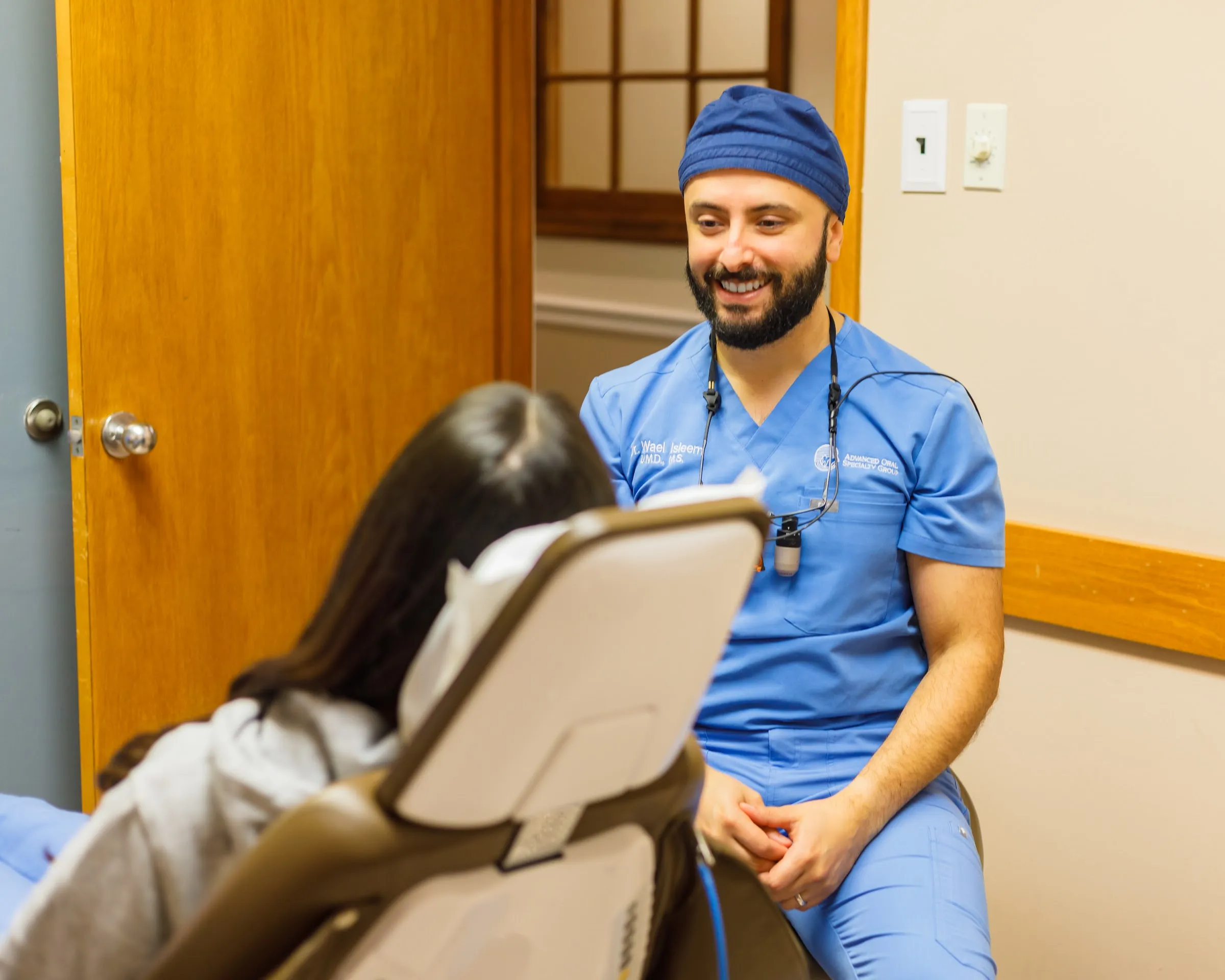
Precision Extraction to Preserve Natural Tissues
In the esthetic zone, even small changes in tissue shape can affect how a crown looks.
That is why extractions in this area are performed with technique-sensitive precision. Every step is designed to minimize trauma and maintain the natural architecture of the surrounding gums and bone.
The focus is not simply on removing a tooth. It is on preserving the foundation that supports a natural-looking result.
The Art of Matching a Single Tooth
Replacing one tooth in the front of your mouth is one of the most technically demanding procedures in restorative dentistry.
Unlike replacing multiple teeth, a single crown must match the exact shade, translucency, shape, and light reflection of the teeth beside it. Even subtle differences can make a restoration noticeable.
To achieve this level of precision, we use:
These tools allow us to capture accurate shade data and subtle characteristics that the human eye alone may miss. This is where advanced technology and restorative artistry meet.
Professional DSLR photography
OptiShade digital color measurement
Detailed restorative planning
A Result That Blends, Not Stands Out
When planning, surgery, and restoration are executed thoughtfully, the final result integrates naturally into your smile.
The replacement tooth should:
Look like it has always been there
Feel stable and comfortable
Support natural gum contours
Preserve facial aesthetics
The best compliment you can receive is that no one notices anything changed.
How We Design Your Replacement
1
Comprehensive Assessment:
We evaluate your current tooth, bone support, gum health, and overall smile design before any procedure is performed.

2
Pre-Extraction Planning:
When appropriate, implant placement is mapped before the tooth is removed to preserve critical tissues.
3
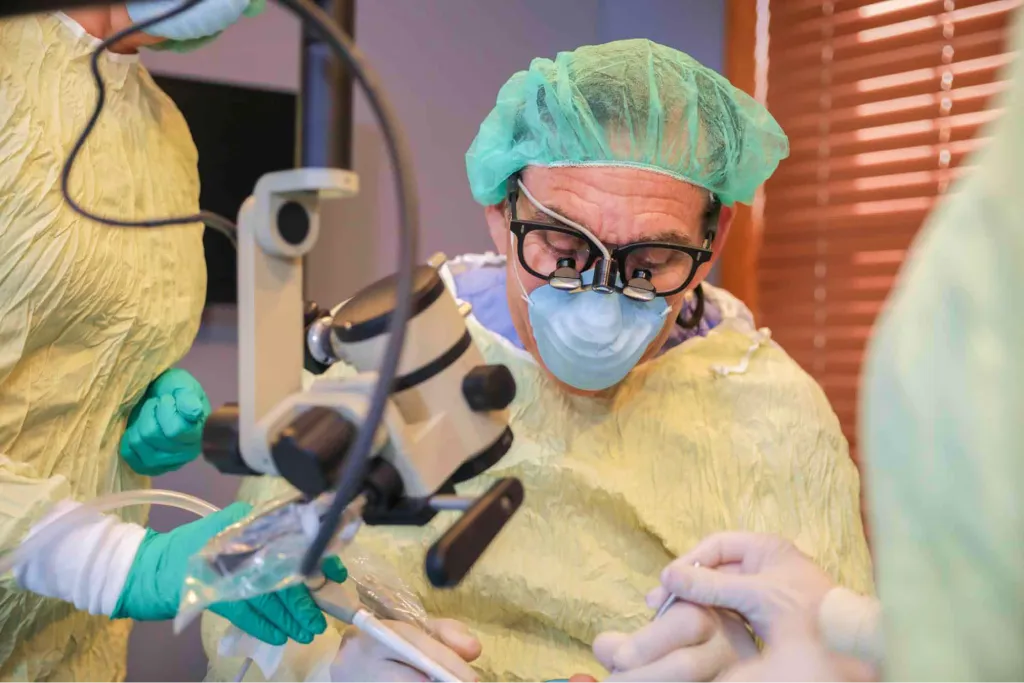
Precision-Guided Surgery:
A technique-sensitive extraction is performed, followed by implant placement positioned to support optimal esthetics.
4
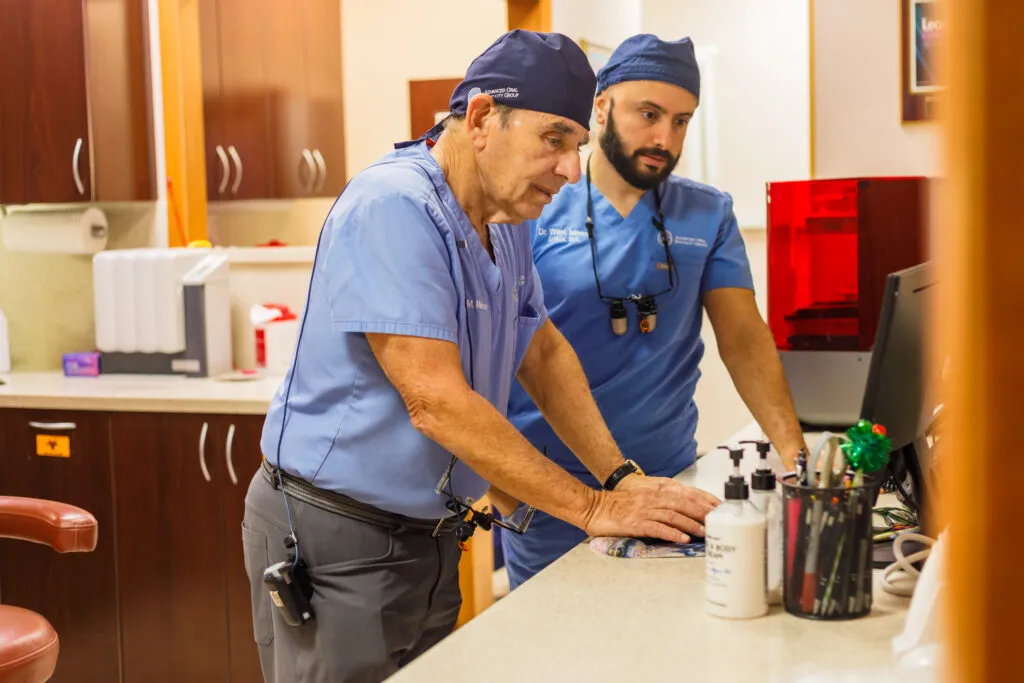
Restorative Design and Shade Matching:
Using DSLR imaging and OptiShade digital color analysis, we design a crown that matches your natural teeth in shade, translucency, and texture.
Temporary restorations are planned so you are not left with a visible gap while tissues heal.
5
Final Placement:
Once healing is complete, your custom restoration is secured to create a stable, natural-looking result.
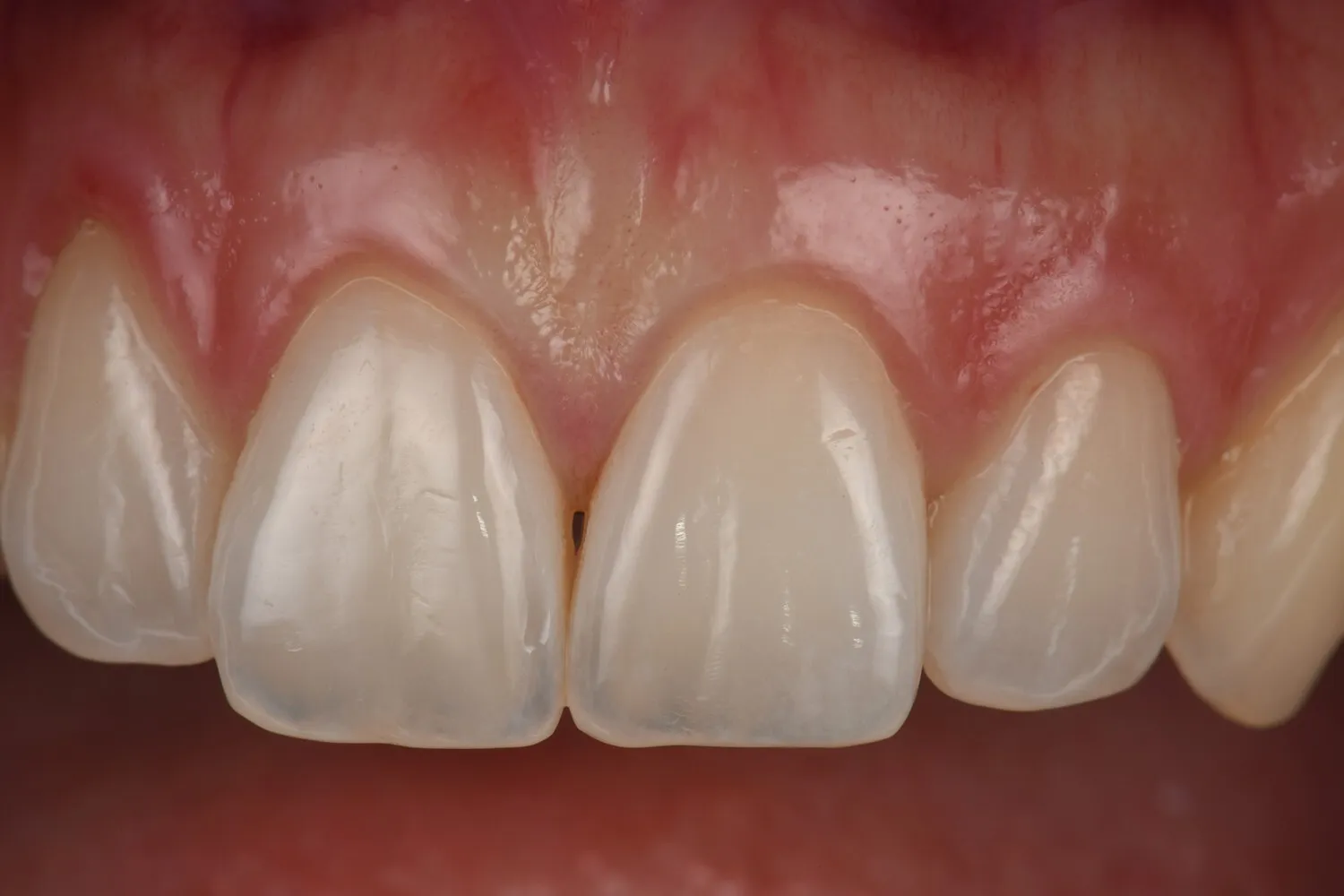
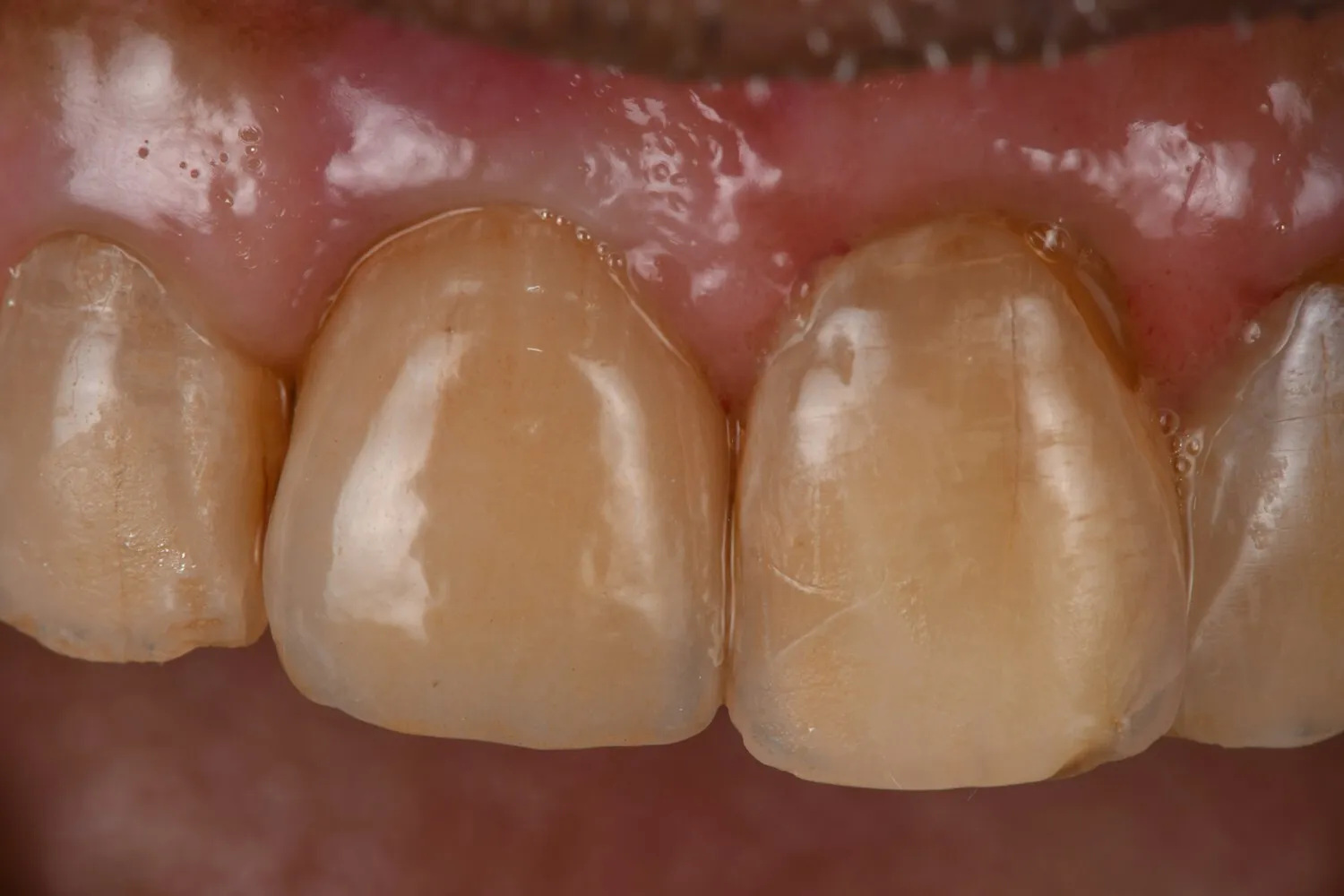
Real Patient Case: Front Tooth Restoration
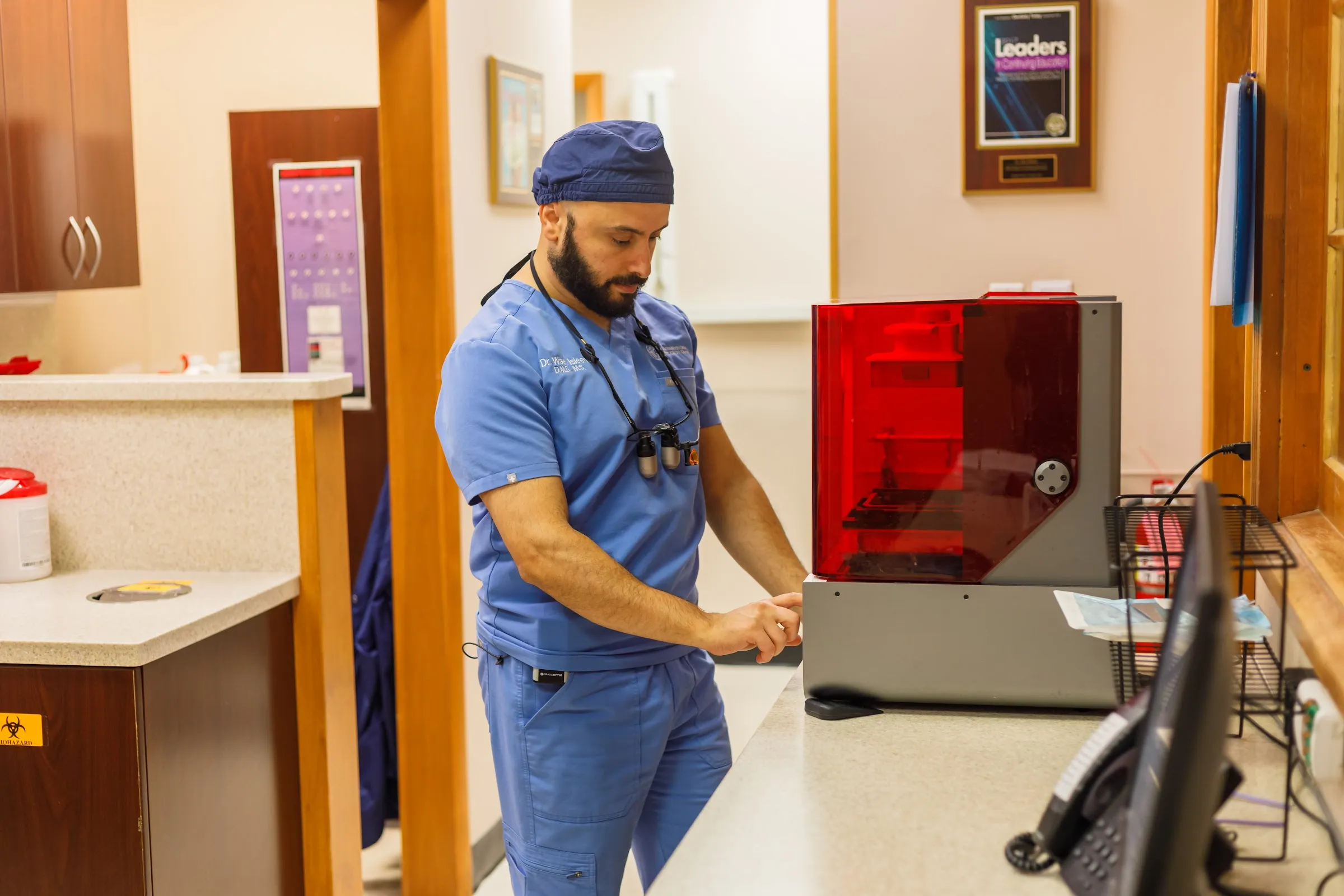
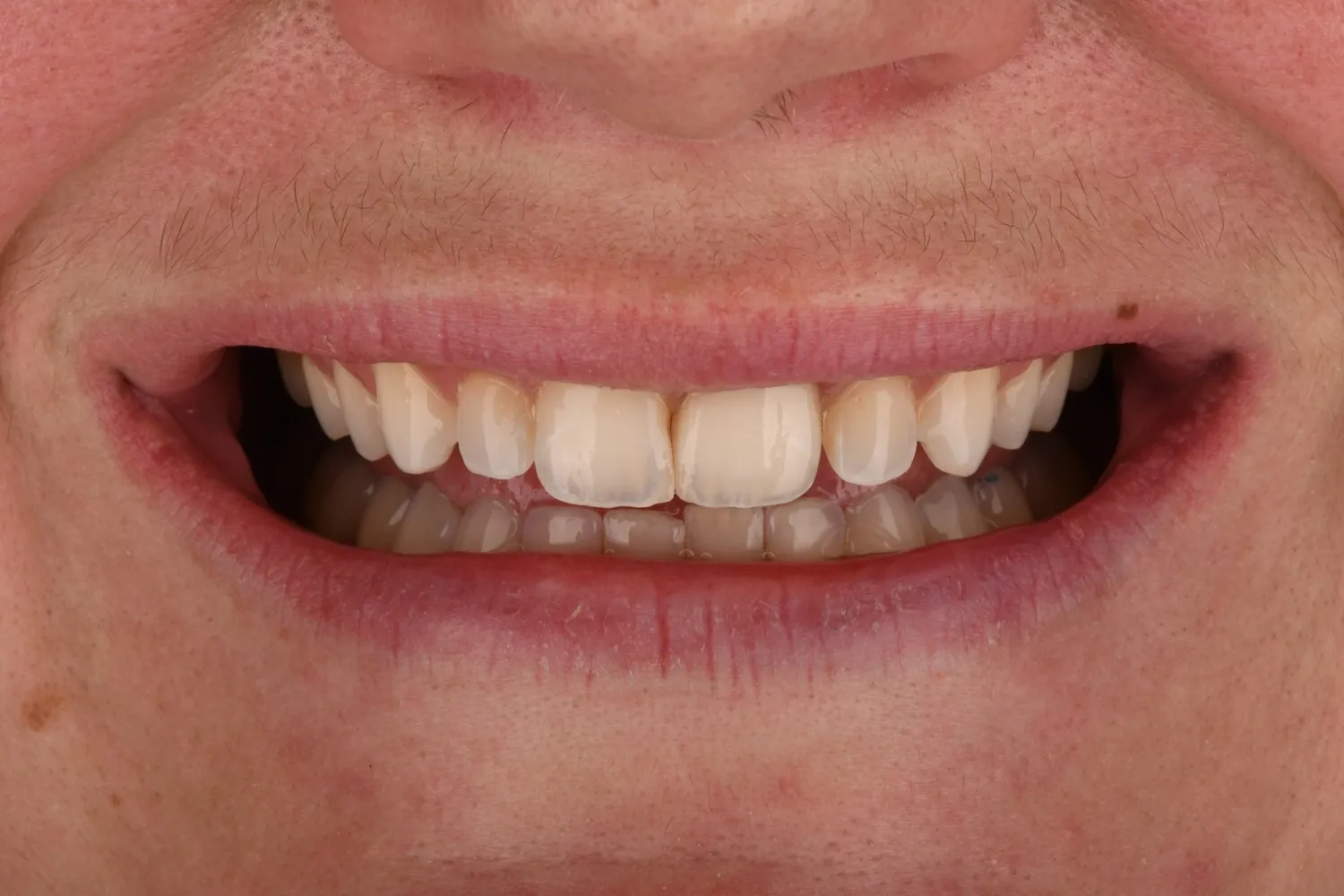
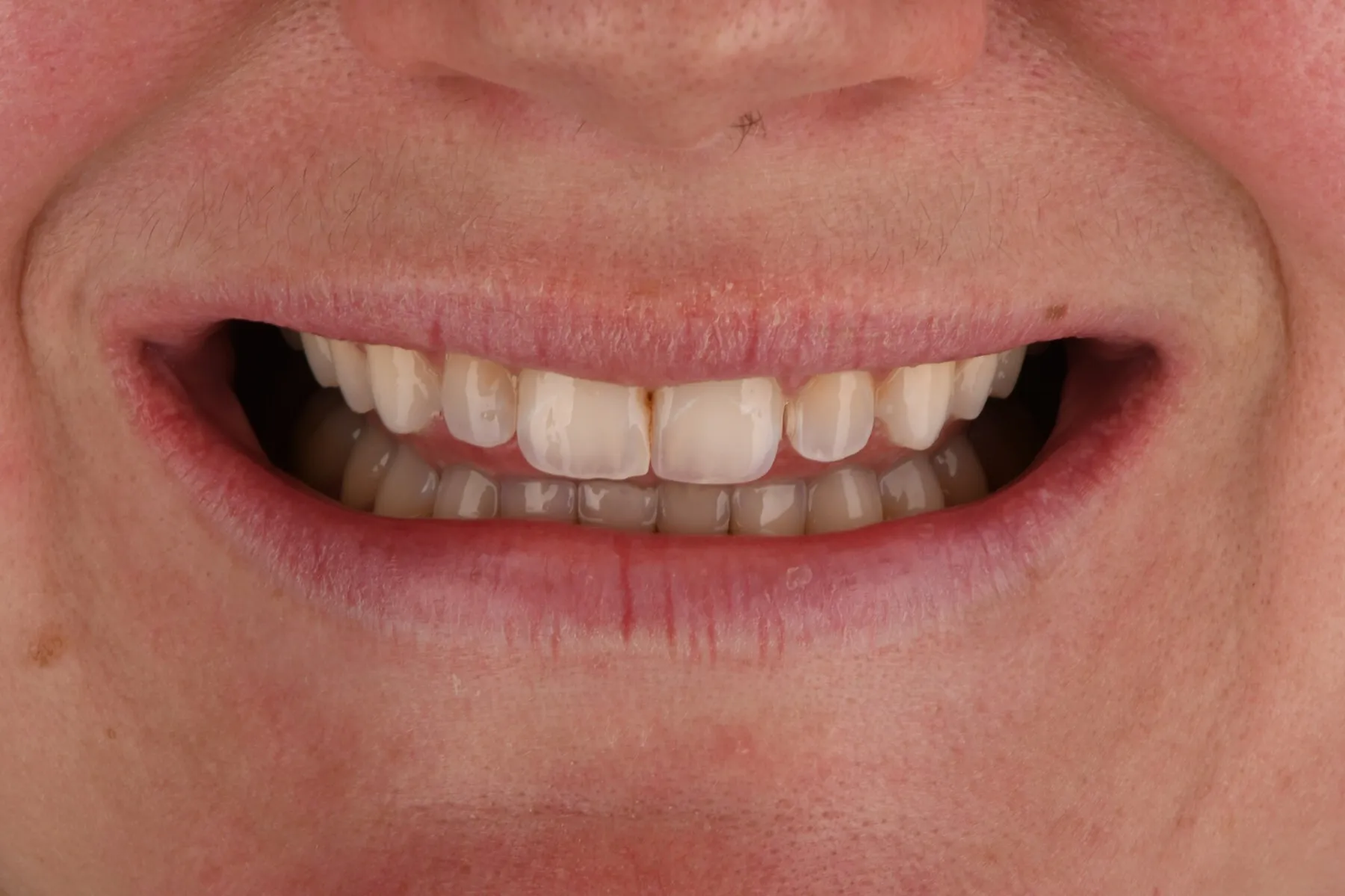
In this featured case, Dr. Wael Isleem treated a patient facing the loss of a single front tooth. Replacing a tooth in the esthetic zone presents significant cosmetic and structural challenges. Dr. Isleem applied specialized microsurgical techniques to restore both full jaw function and a natural appearance.
Step 1: Immediate Implant Placement
Dr. Isleem removed the compromised front tooth and placed a dental implant during the exact same appointment. This immediate approach preserved the patient's natural bone contour and allowed the patient to leave the office with a temporary tooth in place on day one.
Step 2: Socket-Shield Preservation
To prevent long-term bone loss and gum shrinkage, Dr. Isleem performed the socket-shield technique. He preserved a thin section of the natural tooth root against the outer jawbone, keeping the gum line full and natural. In cases where this root fragment cannot be kept, soft-tissue grafting provides the necessary support.
Step 3: Digital Color Calibration
Matching a single front tooth to adjacent natural teeth requires precise color calibration. Dr. Isleem used Pinnacle digital color-metering technology to analyze the exact shade, warmth, and light reflections of the neighboring teeth. He then crafted a custom restoration that blended seamlessly with the patient's smile.
Let's Plan Your Esthetic Restoration
If you are facing the loss of a front tooth, timing matters. Planning early gives you the greatest opportunity to preserve your natural smile. Schedule a consultation to explore whether a precision-planned single-tooth implant is the right solution for you.

Frequently Asked Questions
What is a single tooth implant in the esthetic zone?
It’s a dental implant placed in the front area of the mouth to replace a missing tooth with a restoration designed to blend naturally with your surrounding teeth.
Why is the esthetic zone more complex for implants?
Front teeth require precise positioning and detailed planning because even small changes in angle, color, or gum contour can affect the overall appearance of the restoration.
How do you make the implant look natural in the front of the mouth?
Dr. Meltzer and Dr. Isleem use detailed planning and custom-designed restorations to match the shape, color, and translucency of your natural teeth for a seamless result.
How long does a front tooth implant take?
Treatment time varies depending on healing and individual needs, but it typically involves implant placement, a healing period, and final restoration once the implant integrates with the bone.
Will I have a temporary tooth while healing?
In many cases, a temporary solution can be placed so you do not have a visible gap while the implant heals, depending on your clinical situation.
Is a front tooth implant noticeable?
When properly planned and restored, a single tooth implant in the esthetic zone is designed to blend in so it does not stand out from surrounding teeth.
Who is a good candidate for a front tooth implant?
Patients with a missing or non-restorable front tooth and adequate bone support are often candidates. A consultation with Dr. Meltzer and Dr. Isleem will determine the best approach for your case.
How do I care for a front tooth implant?
Care for it the way you would a natural tooth, with daily brushing and cleaning between your teeth. Regular visits let us check the gums around the implant, which matters most in the front of your smile where the tissue shapes how natural the tooth looks.