Wisdom Teeth
Put Your Smile In Hands You Can Trust
Find Relief From Wisdom Teeth
From a nagging ache in the back of your mouth, to full-blown pain, wisdom teeth can cause more trouble than they’re worth. On top of that, putting off removing them can put your smile at risk of impaction, infection, and painful alignment issues.
We understand the pain, inconvenience, and complications that problematic wisdom teeth can cause and we know exactly how to help.
How Are You Protecting Your Smile
Immediate Pain Relief
Wisdom teeth trying to push through tight spaces cause constant pressure, facial aching, and sore gums. Extracting these teeth removes the source of chronic tension so you can chew, speak, and go through your day comfortably.
Preventing Misalignment
When incoming wisdom teeth lack space to grow, they push neighboring teeth out of alignment. Early removal protects your natural bite pattern and prevents damage to previous orthodontic work.
Reducing Infection Risk
Partially erupted wisdom teeth create trapped spaces where bacteria and food collect easily. Removal eliminates these hard to clean areas, preventing painful conditions like pericoronitis, which is a bacterial infection and inflammation of the surrounding gum tissue.
Protecting Surrounding Jawbone
Impacted teeth can form cysts, which are sacs filled with fluid that develop around the tooth root. Removing impacted wisdom teeth early protects your jawbone and nearby tooth roots from permanent structural damage.
Comfortable removal with sedation options when appropriate
What to Expect During Treatment
1
Comprehensive Evaluation
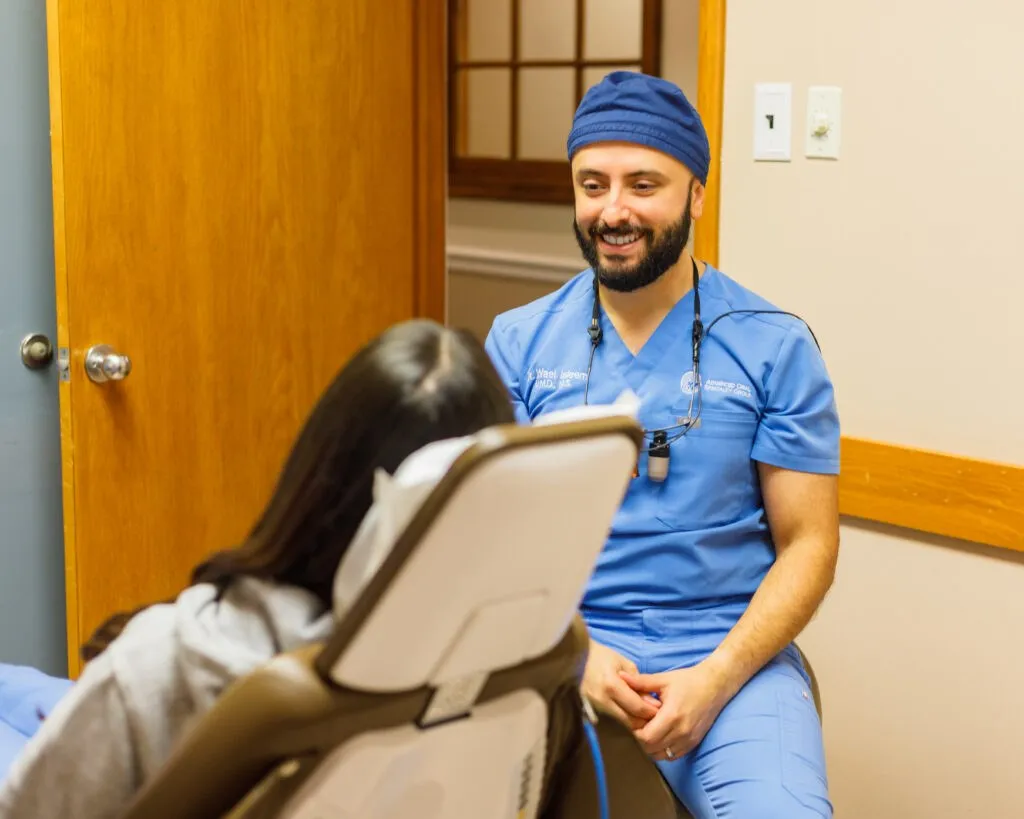
Using advanced CBCT imaging, Dr. Alan Meltzer and Dr. Wael Isleem evaluate the position of your wisdom teeth and plan the safest, least invasive approach.
2
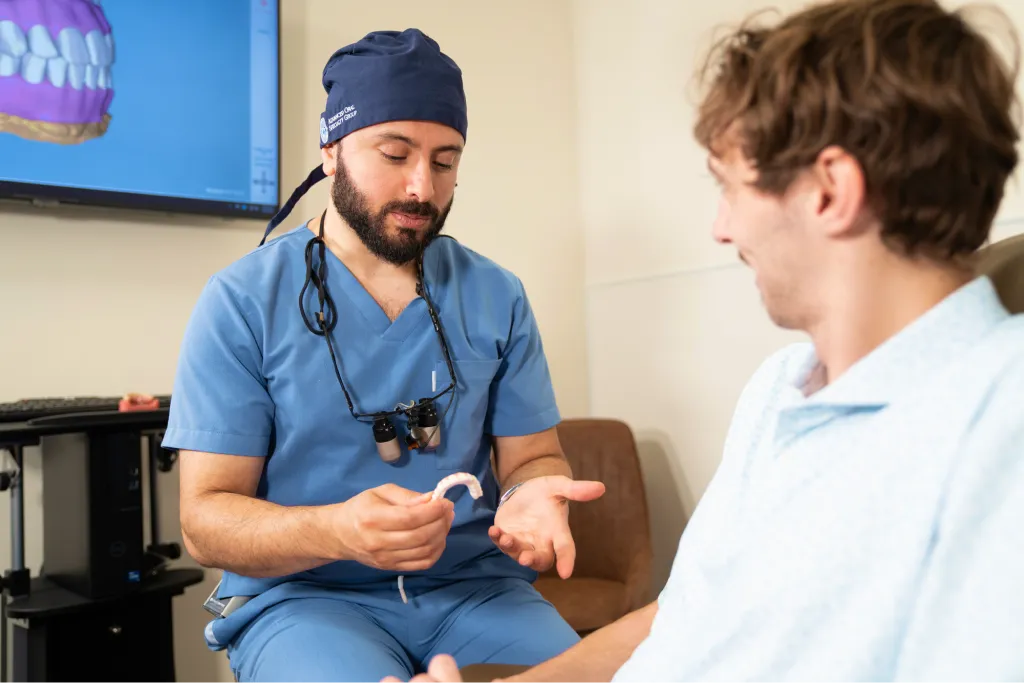
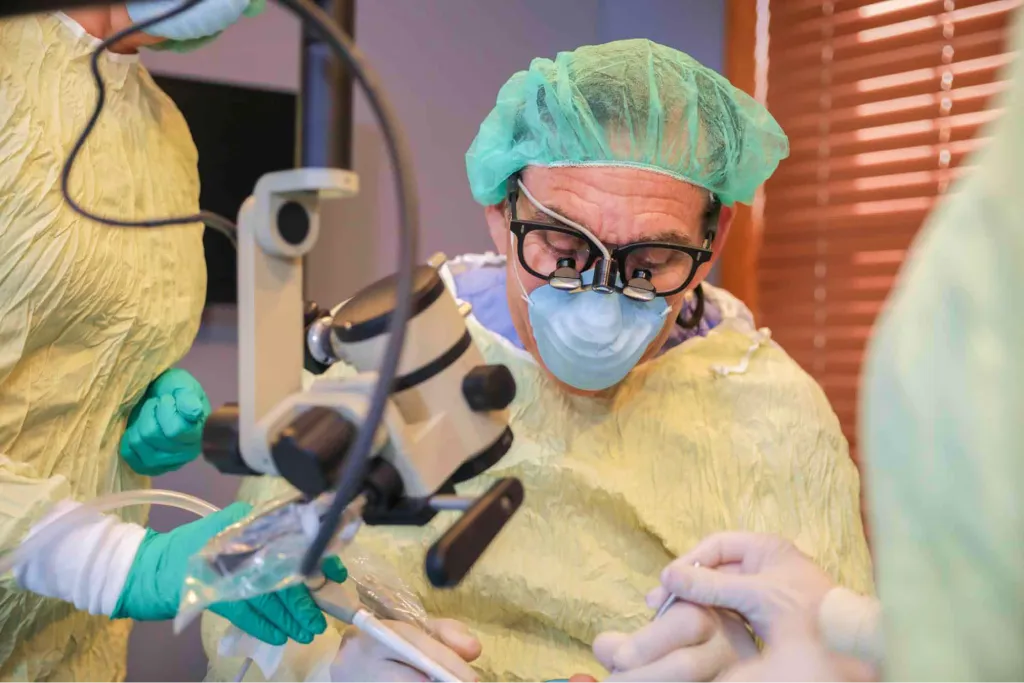
Comfortable Removal
Your procedure is performed with local anesthesia and, when appropriate, oral sedation, IV sedation, or nitrous oxide to keep you comfortable throughout treatment.
3
Recovery and Healing
Whether your wisdom teeth are fully erupted or impacted, our team uses precise surgical techniques to promote a smooth recovery and provide detailed aftercare instructions.
We Bring The Wisdom To Your Extraction
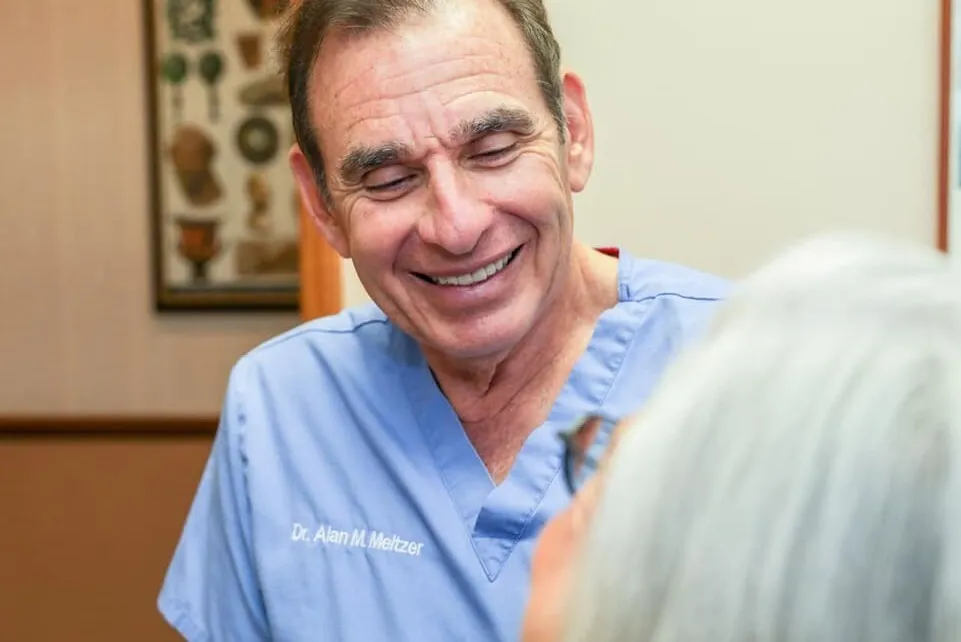
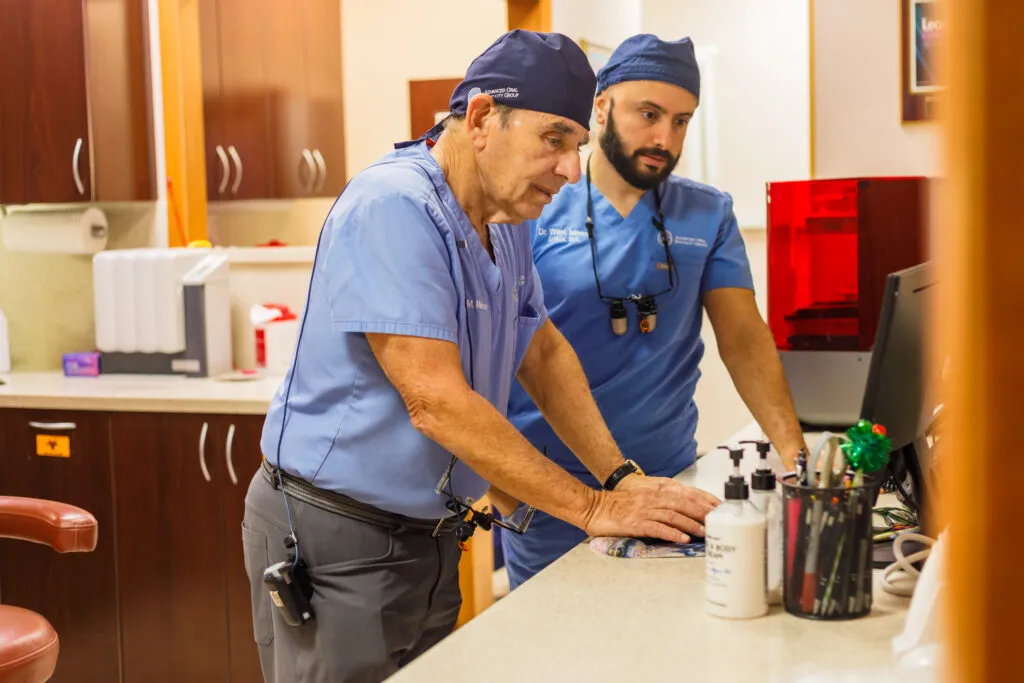
Dr. Isleem and Dr. Meltzer are board-certified periodontists and oral specialists, capable of treating even the most complex oral surgery cases. If you’re experiencing problems with your wisdom teeth, we can ensure that you get:
A smooth procedure
Compassionate care and unparalleled expertise
Comprehensive sedation options
Advanced dental technology
And the best chance at a speedy recovery
When Wisdom Teeth Become a Problem
Wisdom teeth often begin to emerge between the ages of 17 and 25. When there isn't enough room for them to erupt properly, they can become impacted, increasing the risk of pain, infection, damage to neighboring teeth, and other oral health concerns.
At Advanced Oral Specialty Group, Dr. Alan Meltzer and Dr. Wael Isleem use advanced imaging and precise surgical techniques to determine whether removal is the best option for your long-term oral health. If an extraction is recommended, your treatment is carefully planned to make the procedure as comfortable and predictable as possible.
Comfortable Wisdom Teeth Removal Explained
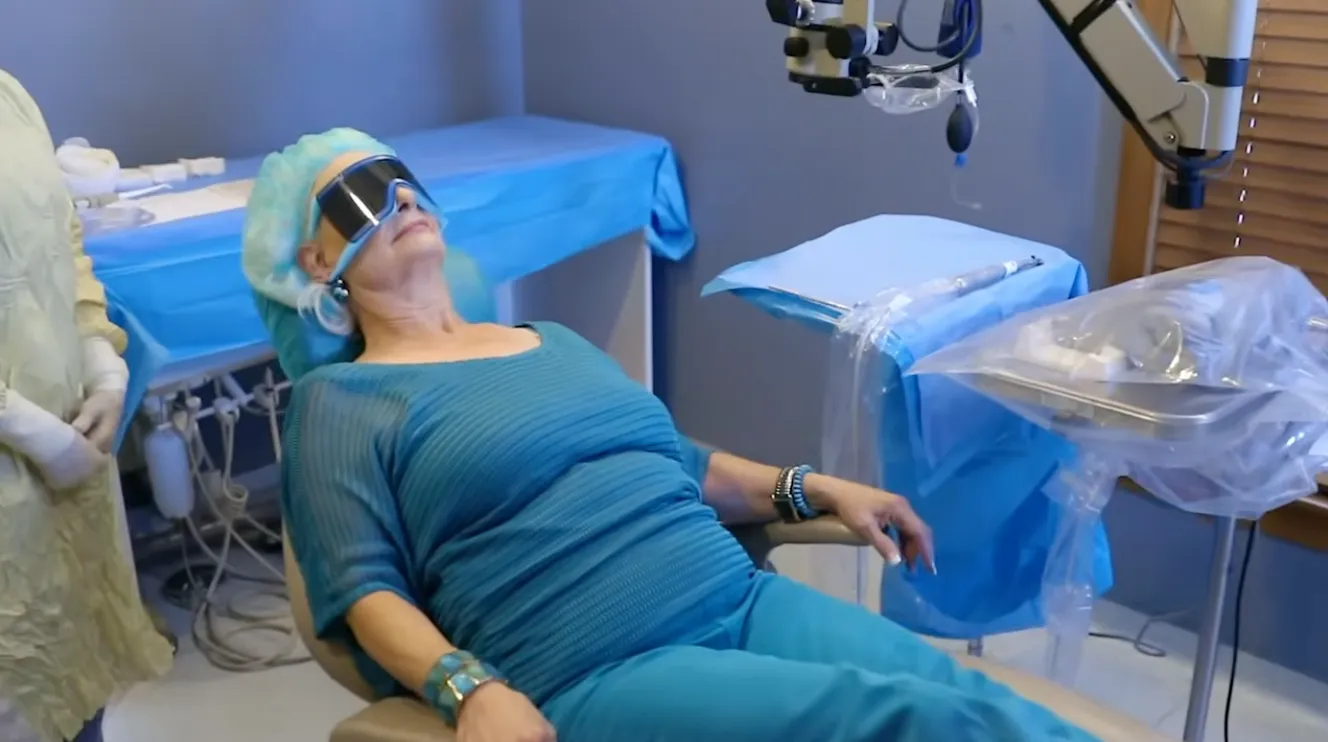
See how 3D imaging, gentle surgical technique, and sedation options help make wisdom teeth removal predictable—and how clear aftercare supports a faster return to daily life.
Fast Recovery, Faster Smiles
All post-operative instructions will be discussed at your appointments, so you know what to expect and have a list of dos and don’ts to ensure you heal correctly and quickly.
We are here for you if you have any questions or concerns throughout your recovery. Call our expert team to schedule your first consultation. Get back to daily life and smile comfortably again.

Frequently Asked Questions
How do I know if my wisdom teeth need to be removed?
Not everyone needs wisdom teeth removed. If they are impacted, causing pain, crowding, infection, or damaging nearby teeth, Dr. Alan Meltzer and Dr. Wael Isleem may recommend extraction.
What are the signs of impacted wisdom teeth?
Common signs include jaw pain, swollen gums, difficulty opening your mouth, bad breath, headaches, or discomfort when chewing.
Is wisdom tooth removal painful?
The procedure is performed using local anesthesia, and sedation options are available to help you stay comfortable throughout treatment.
How long does it take to recover from wisdom teeth removal?
Most patients return to their normal routine within a few days, although complete healing may take several weeks depending on the complexity of the extraction.
What can I eat after wisdom teeth removal?
Stick to soft foods such as yogurt, smoothies, mashed potatoes, and soup for the first few days. Your doctor will provide detailed aftercare instructions based on your recovery.
At what age should wisdom teeth be evaluated?
Wisdom teeth are typically evaluated during the late teenage years or early twenties, when they begin to develop and before they have the opportunity to cause complications.