

Gum Disease Treatment
Restoring What's Beneath the Surface
Preserve the Foundation of Your Oral Health
Periodontal infection affects more than just your gums. Research has shown links between gum disease and systemic conditions such as heart disease, stroke, diabetes, and other inflammatory health concerns.
At Advanced Oral Specialty Group, Dr. Meltzer and Dr. Isleem use personalized periodontal treatment to control infection, protect supporting bone, and help reduce further damage to your oral health.
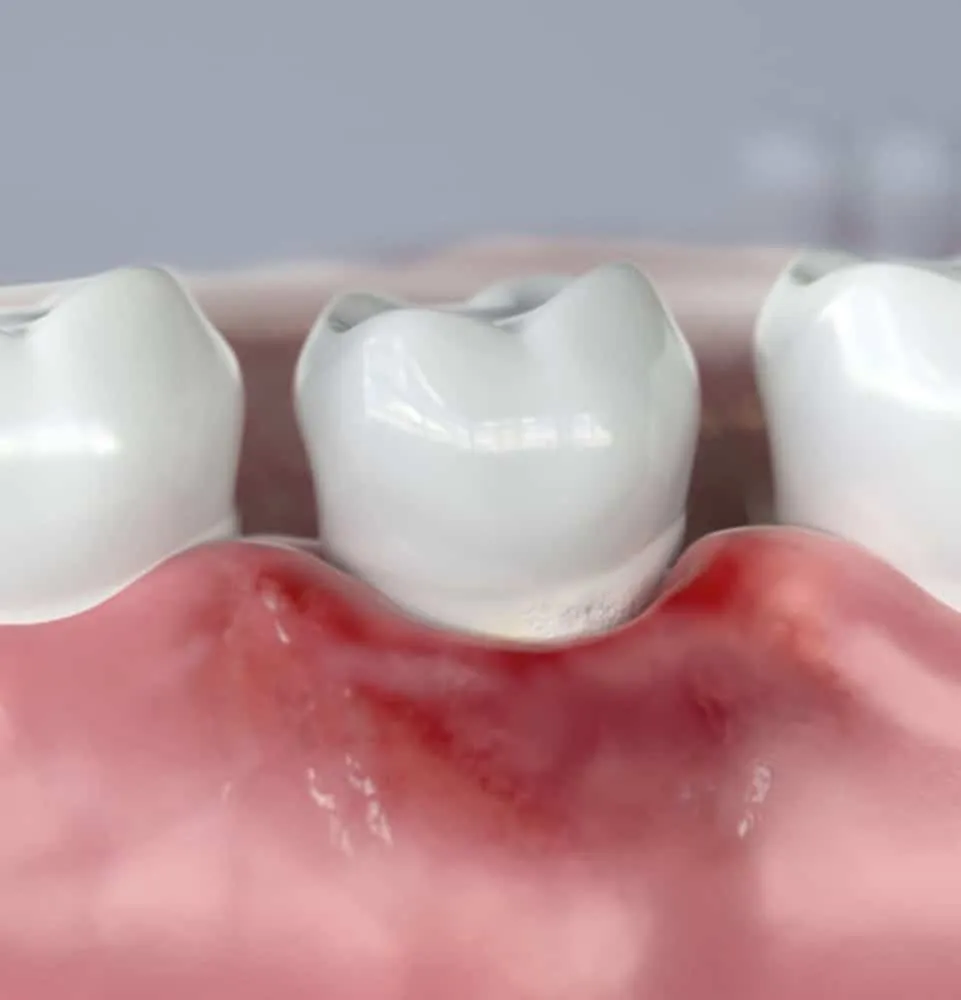
When gum health declines, bacteria can create spaces between the teeth and gums where infection continues to spread. Over time, this can lead to bone loss and, eventually, tooth loss if left untreated.
Why Early Gum Disease Treatment Matters
Controls infection before it advances
Protects the bone that supports your teeth
Helps reduce systemic inflammatory burden linked to gum disease
Preserves teeth that might otherwise be lost
Creates a healthier foundation for long-term maintenance
Our Gum Disease Treatment Solutions
1
Scaling And Root Planing
Scaling and root planing is the initial stage of treatment involving the non-surgical removal of biofilm (soft plaque) and calculus (tartar) from above and below the gum line and into any deep pockets (bony defects) that may be present. In more severe cases a course of oral antibiotics may be used in conjunction with your deep cleaning visits.

2
Antibiotic Therapy
Arestin is a type of antibiotic that is placed within infected periodontal pockets. It is used in conjunction with a deep cleaning to help reduce and, in some cases, eliminate the infection. The antibiotics are slowly released into the infected gum pocket, killing bacteria that live there. This localized antibiotic delivery system continues to fight the infection for up to 21 days. Learn More about Arestin
3
Gingivectomy
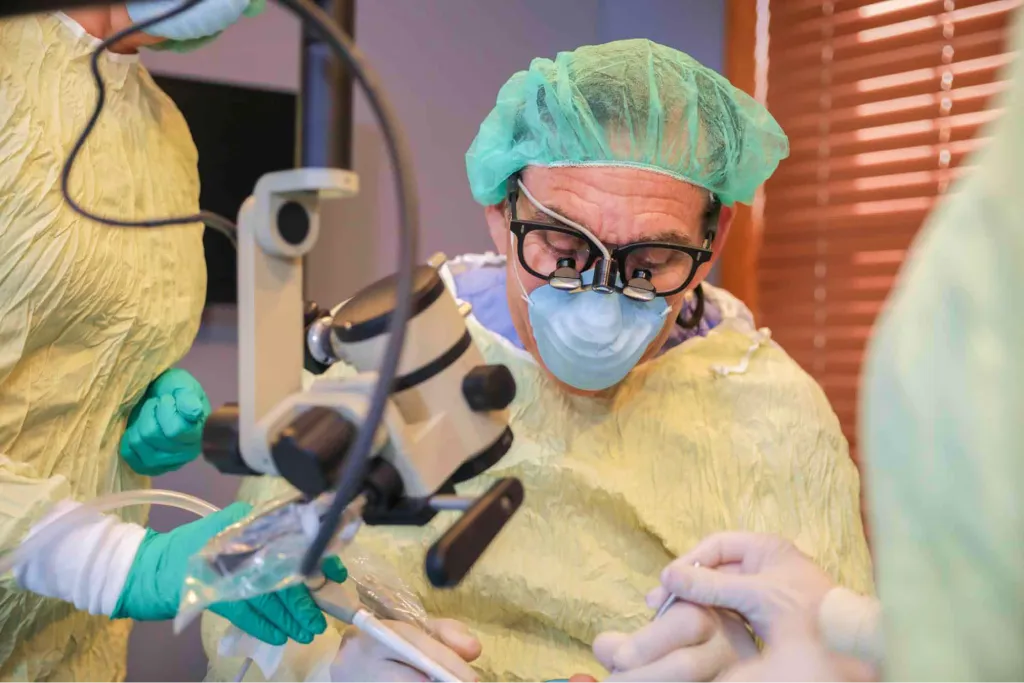
A gingivectomy involves cutting away the diseased gum tissue from around the teeth and reshaping the gums to reduce the depths of the periodontal pockets. This procedure effectively treats gum disease, while creating a healthier environment for the gums to reattach around the teeth.

4
Laser Pocket Elimination
Laser pocket elimination involves vaporizing the diseased tissue and bacteria from the deep pockets around the teeth. Treatment with a dental laser also reduces gum inflammation and helps support healthier healing of the tissue.
5
Osseous Surgery
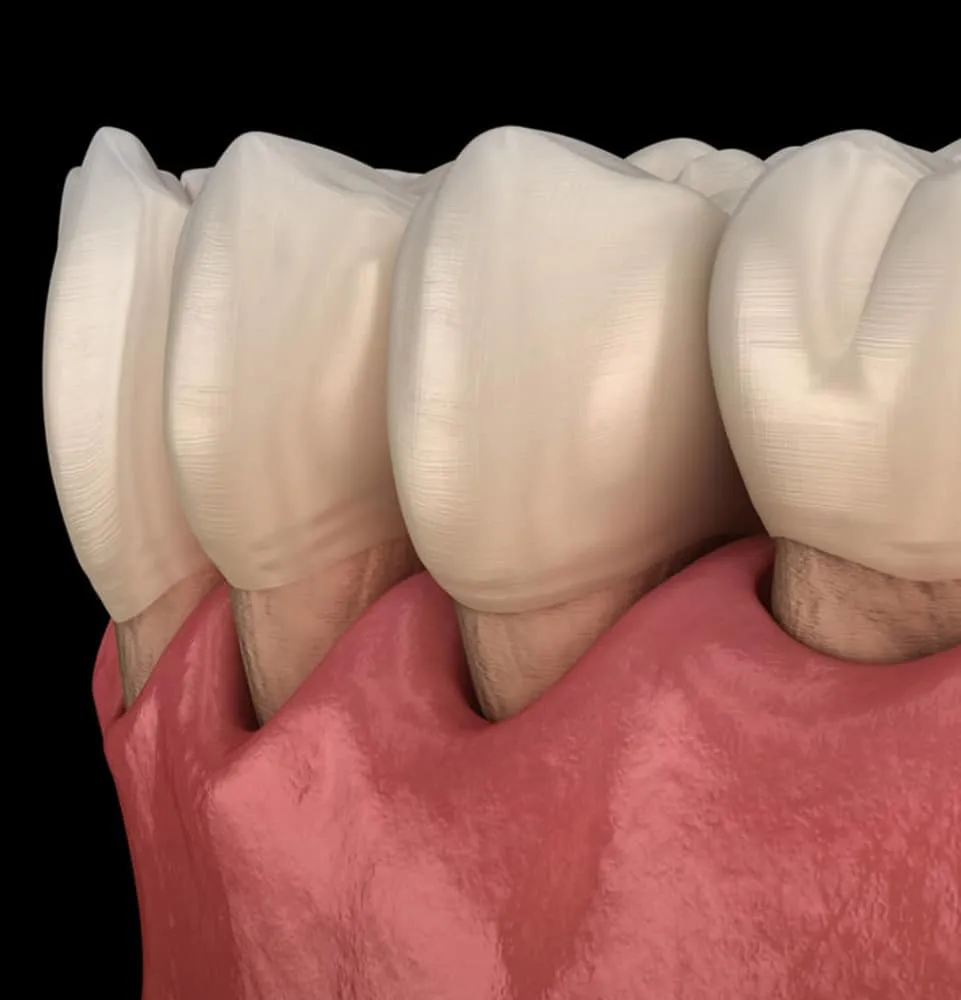
During osseous surgery, the gum is gently folded back exposing the tooth, roots, and affected bone. The roots are smoothed and cleaned. The diseased, irregular bone is smoothed to provide an optimal environment for the gum to re-attach to the tooth roots eliminating the pockets and providing healthy soft tissue and bone aiding in the maintenance of periodontal health.
Periodontal Maintenance
Periodontal maintenance is the ongoing care that keeps gum disease from coming back after treatment. Every three to four months, our hygienists clean above and below the gumline, check how your gums and bone are holding up, and catch small changes before they turn into bigger problems.
Finishing gum disease treatment is a real milestone, but the bacteria behind it don't disappear for good. They can settle back into the pockets around your teeth, and a standard cleaning every six months isn't built to keep up with that. Periodontal maintenance is.
At Advanced Oral Specialty Group, Dr. Alan Meltzer and Dr. Wael Isleem plan these visits as part of your treatment from the start. You'll always know what's coming next and why it matters.
What Happens at a Maintenance Visit
We measure your gum pockets: Comparing them to your last visit shows us whether anything has shifted.
We clean above and below the gumline: That means removing plaque and tartar, including in the spots that are hardest to reach at home.
We check your gums and bone: We look for early signs of inflammation or change, when they're easiest to address.
We talk it through: If your gums are doing well, we'll tell you. If something needs attention, we'll explain it and adjust your plan.
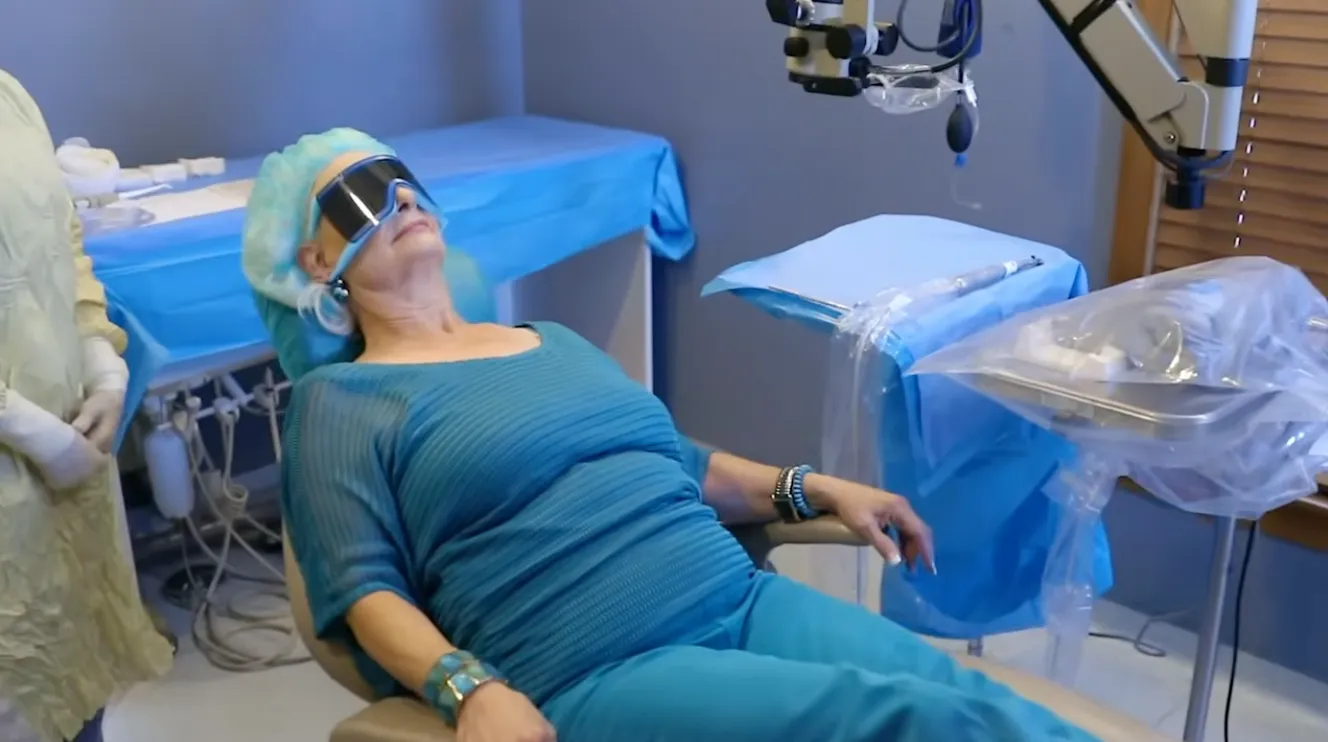
Understanding Gum Disease Treatment Options
Explore how deep cleaning, localized antibiotics, laser therapy, and periodontal surgery work together to control infection and protect the foundation of your smile.
Stopping Gum Disease Before It Progresses
Gum disease can progress quietly, but early treatment can make a meaningful difference in protecting your teeth and supporting long-term oral health. At Advanced Oral Specialty Group, Dr. Meltzer and Dr. Isleem provide focused periodontal care designed to control infection and preserve the foundation of your smile.

Frequently Asked Questions
What is periodontal disease treatment?
Periodontal disease treatment is designed to control gum infection, remove harmful bacteria and buildup, and protect the gums and bone that support your teeth. Treatment may include deep cleaning, localized antibiotics, laser therapy, or periodontal surgery, depending on the severity of the disease.
What are the treatment options for gum disease?
Gum disease treatment may include scaling and root planing, antibiotic therapy, gingivectomy, laser pocket elimination, or osseous surgery. Dr. Meltzer and Dr. Isleem will recommend the appropriate treatment based on the severity of the infection, the depth of your gum pockets, and the condition of the supporting bone.
Can gum disease be treated without surgery?
Yes, early and moderate gum disease can often be treated without surgery. Scaling and root planing, also known as a deep cleaning, removes plaque and tartar from above and below the gumline and can help control infection before more advanced treatment is necessary.
When is periodontal surgery necessary?
Periodontal surgery may be recommended when gum disease has progressed beyond what non-surgical treatment can address. Procedures such as gingivectomy, laser pocket elimination, or osseous surgery can remove diseased tissue, reduce deep periodontal pockets, and address damage around the teeth.
Can gum disease cause bone loss?
Yes, untreated gum disease can damage the bone that supports your teeth. As periodontal infection progresses, inflammation and bacteria can contribute to bone loss, which may eventually increase the risk of loose or missing teeth. Treating the infection early can help protect the supporting structures around your teeth.
How often should I have periodontal maintenance after gum disease treatment?
Periodontal maintenance is typically recommended every 3–4 months after gum disease treatment, although your periodontist may recommend a different schedule based on your individual needs. These visits help remove plaque and tartar from above and below the gumline and monitor your periodontal health.
Is gum disease treatment painful?
Gum disease treatment is performed with techniques designed to keep you comfortable, and local anesthesia may be used when needed. Some tenderness or sensitivity can occur afterward, depending on the treatment performed, but your periodontal team will explain what to expect and how to manage your recovery.