Advanced Healing
Enjoy Faster Healing After Dental Surgery
Advanced Care To Accelerate Your Recovery
Advances in regenerative techniques have improved the way the body heals after oral surgery. These approaches can support more predictable recovery following procedures like bone grafting by working with the body's natural healing process.
At Advanced Oral Specialty Group, Dr. Meltzer and Dr. Isleem incorporate these methods when appropriate to help support healing and long-term treatment stability. This is especially helpful for patients preparing for dental implants after significant bone loss, where reliable healing plays an important role in long-term success.
If you need bone grafting before dental implants in Voorhees, NJ, our team can guide your treatment with a focus on precision and lasting results.
Our Advanced Techniques
Guided Bone Regeneration to rebuild supportive bone
Guided Tissue Regeneration for soft-tissue healing
Platelet rich growth factors to support recovery
Protocols tailored to your procedure and health
Coordination with implant and periodontal treatment plans
Our Advanced Techniques
1
Guided Bone Regeneration
Guided bone regeneration ensures that a bone graft is healing properly without the interference of the soft tissue. Commonly, a membrane is placed over the graft site to keep the new bone and the tissue separate. Since bone heals at a slower rate, the membrane will enable the graft to fuse to the existing bone free from the interference of fast-healing soft tissue. With more predictable and faster healing, patients can receive dental implants much sooner after their bone grafting procedure.
2
Guided Tissue Regeneration
Guided tissue regeneration involves re-growing lost tissue, including the gums and ligaments around the bone and teeth. Using biocompatible membranes, the tissue can be effectively healed and regenerated without interference from other structures at the treatment site. The healthy new tissue can reattach to the teeth without sinking into the bony defects around the base of the tooth.
3
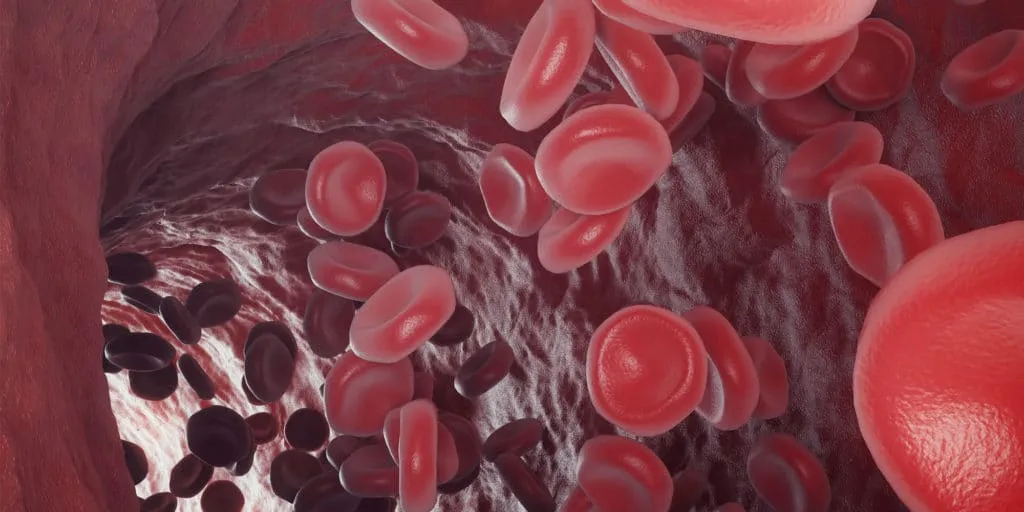
Platelet Rich Growth Factors
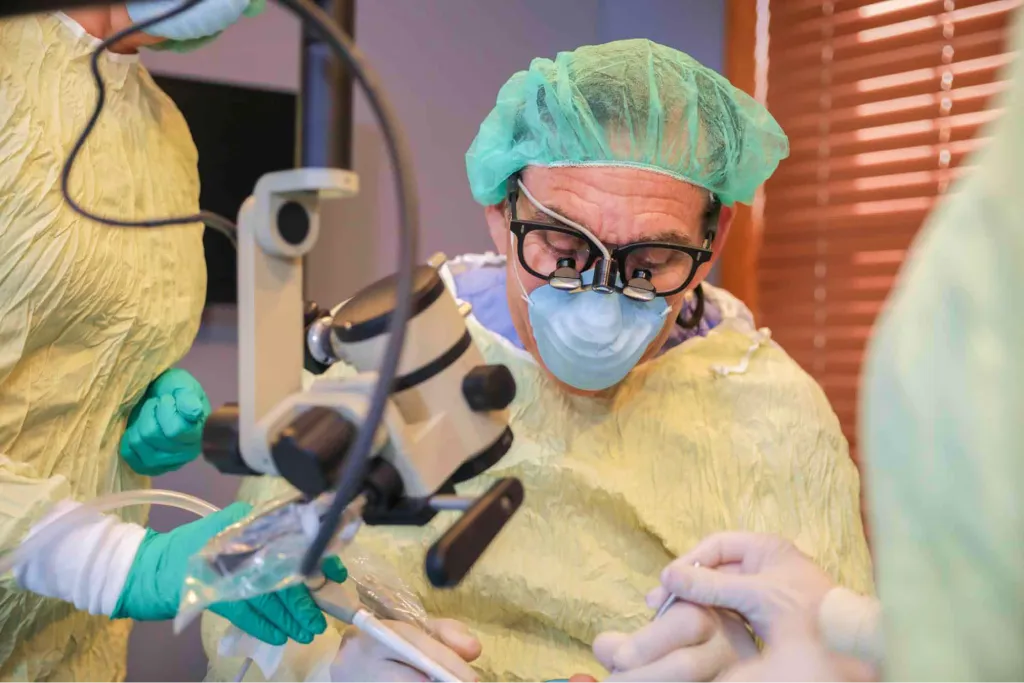
Periodontal defects such as gingival recession can lead to possible pain, bone deterioration, and eventual tooth loss. Plasma rich growth factors (PGRF) are used to accelerate a person's natural healing abilities. PRGF techniques isolate the proteins that the body releases to repair injuries. Growth factors promote healing after cleaning and filling of the space around a problematic tooth. Because a PRGF is formed from a patient's own blood, there are no concerns about diseases being transmitted.
A Smoother Path to Recovery
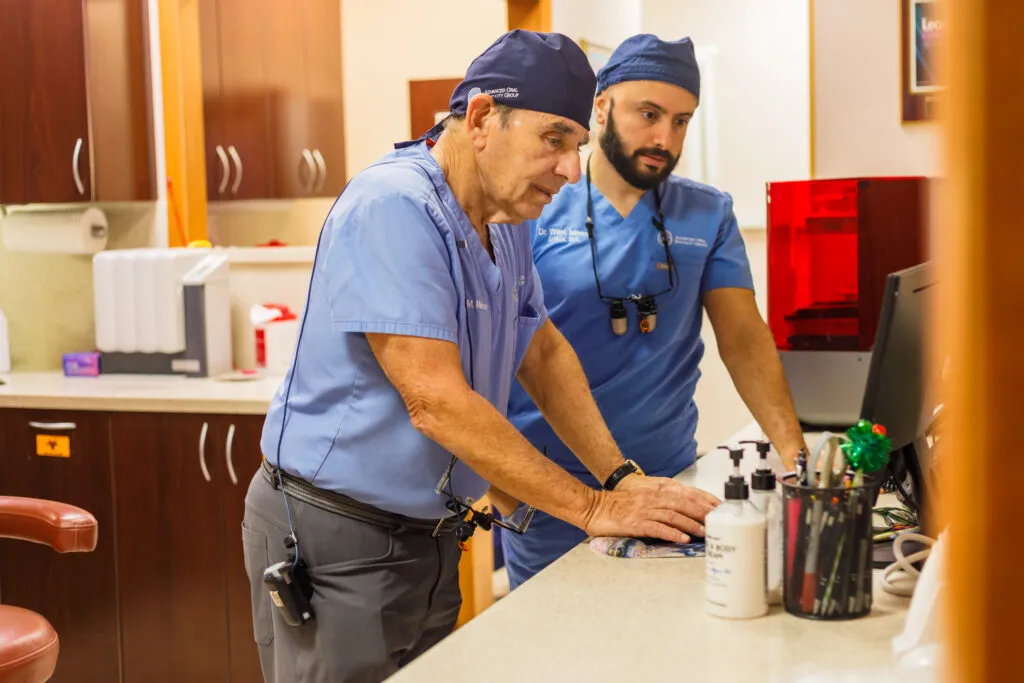
Advanced healing options are matched to grafting, implant, and periodontal surgeries.
Your doctors explain when biologics or regenerative membranes add value.
Follow-up visits confirm healing progress and adjust care as needed.
Recovery Visit Checklist
Review surgical site healing
Confirm comfort and medication plan
Reinforce home-care instructions
Check membrane or graft status when used
Adjust diet guidance as healing progresses
Set the next follow-up interval
Advanced Care To Accelerate Your Recovery
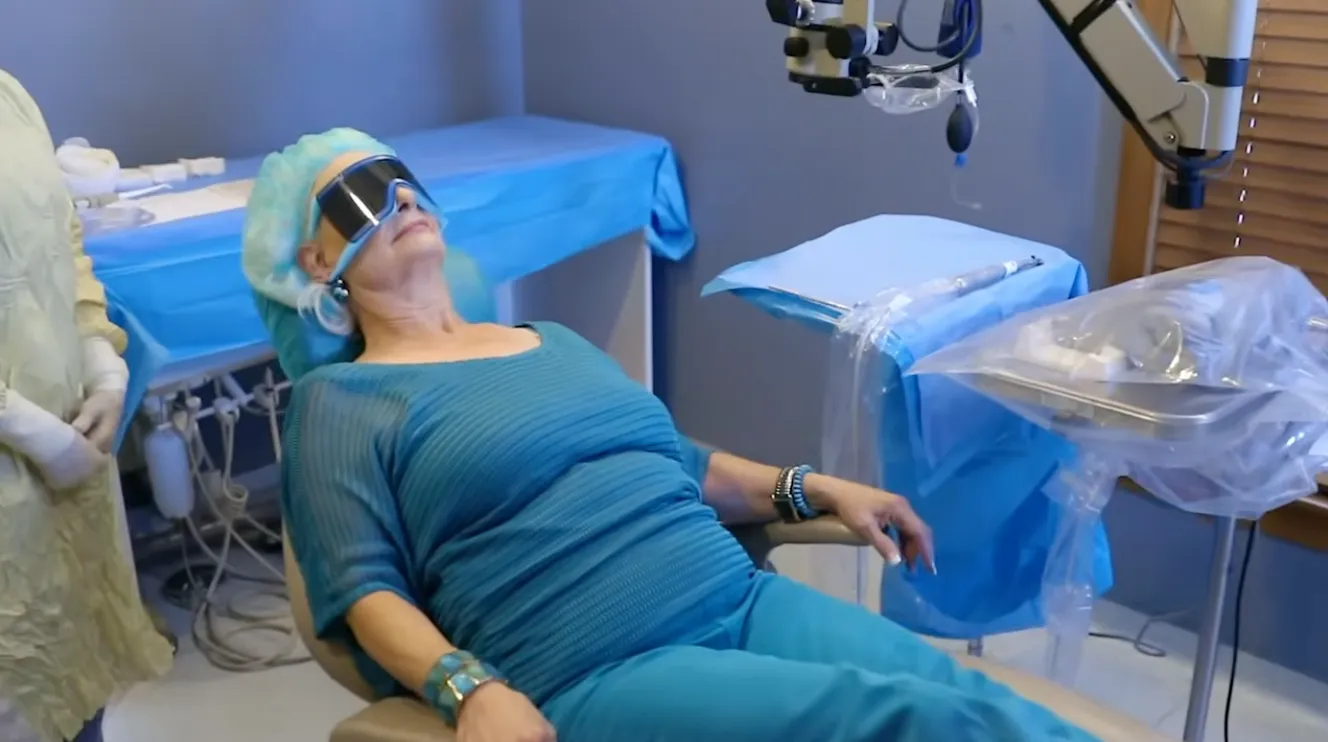
See how regenerative techniques and growth-factor support can help recovery after oral surgery.
A Smoother Path to Recovery
Advanced healing techniques can support a more predictable recovery after oral surgery and help patients move forward with treatment sooner. If you're preparing for bone grafting or dental implant treatment in Voorhees, NJ, we invite you to schedule a consultation and learn what may be possible for your case.
Frequently Asked Questions
What are advanced healing techniques in dentistry?
They are methods used after oral surgery to support the body’s natural healing process and help improve recovery outcomes.
Why are advanced healing options used after procedures like bone grafting?
They can help support more predictable healing, which is important for preparing the jaw for future dental implants.
Do advanced healing techniques replace normal healing?
No. They are designed to support and enhance the body’s natural recovery process, not replace it.
Is this treatment necessary for every patient?
Not always. Dr. Alan Meltzer and Dr. Wael Isleem determine whether advanced healing options are appropriate based on each patient’s needs and procedure.
Do advanced healing methods reduce recovery time?
They may help support a more efficient healing process, but recovery time still depends on the individual and the type of procedure performed.