
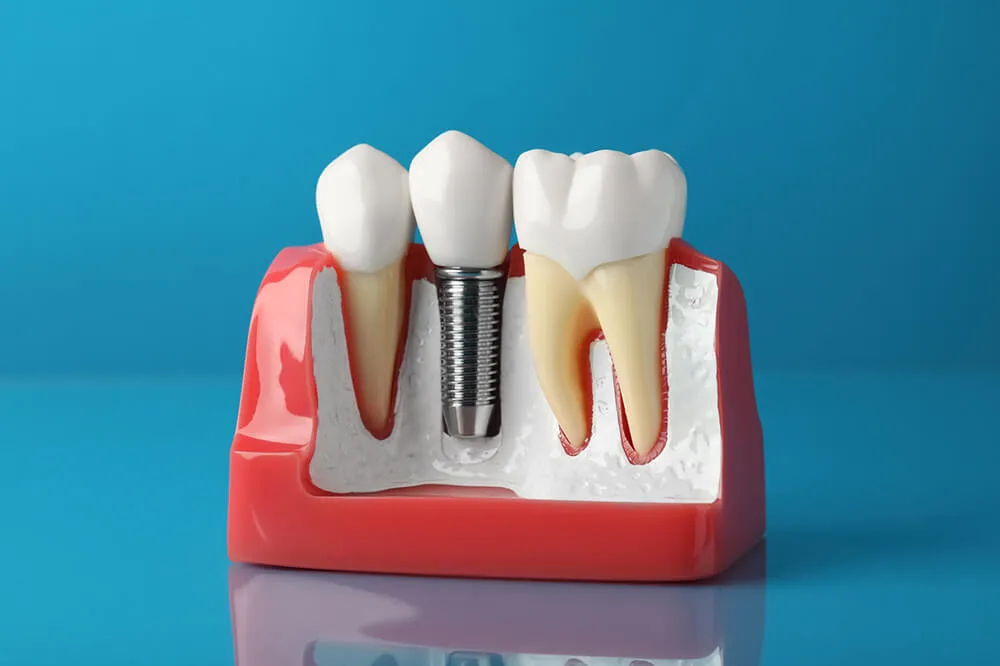
Dental Implants
Precision Implant Care for a Stronger, Healthier Smile
Dental Implants for Natural, Confident Living
Losing a tooth can affect everyday life in ways that go beyond appearance, from how comfortably you eat to how your bite feels over time. Dental implants are designed to replace missing teeth with a secure, long-term solution that integrates with the jaw and functions like a natural tooth. At Advanced Oral Specialty Group, Dr. Alan Meltzer and Dr. Wael Isleem use advanced techniques to carefully plan treatment and help restore what has been lost.
The Long-Term Benefits Of Dental Implants
Will not slip or feel loose while you eat
Protects surrounding teeth and bone health
Feels and functions like your own tooth
Easy to maintain with routine hygiene
Proven success rate of more than 98%
Understanding Your Implant Procedure
1
Comprehensive Evaluation:
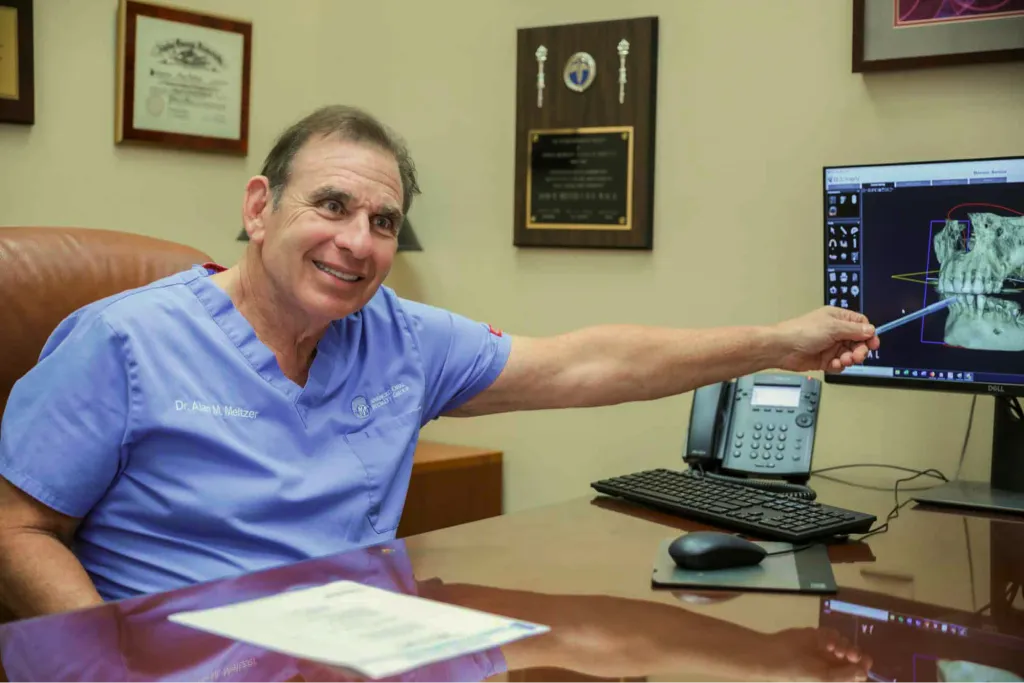
We begin with detailed 3D imaging to understand your bone structure and surrounding areas. This allows Dr. Alan Meltzer and Dr. Wael Isleem to plan your treatment with precision before anything begins.

2
Precise Placement:
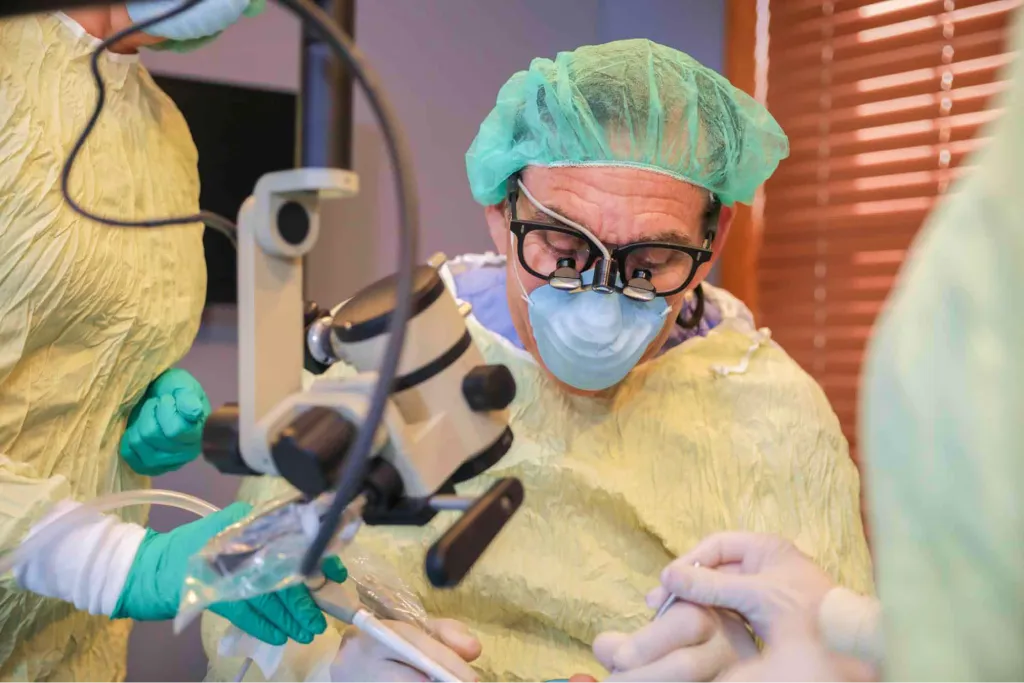
Your implant is gently placed using advanced techniques designed with your comfort in mind. Local anesthesia or sedation is available so you can feel at ease throughout the procedure.
3
Integration and Healing:
Over time, your implant naturally integrates with your jawbone, creating a strong and stable foundation for your new tooth. During this phase, your doctors monitor healing to ensure everything is progressing as expected.
4
Custom Restoration:
Once healing is complete, a custom-made crown is attached to blend with your surrounding teeth and restore natural function and appearance.
For patients missing multiple teeth or full arches, we also offer All-on-4 full-arch dental implants, which use four strategically placed implants to support a complete restoration, often without the need for bone grafting.
Implant Maintenance
Dental implants need regular professional care to last. A few times a year, we check the gums and bone around each implant, clean the areas that are hard to reach at home, and make sure your bite and restoration are holding up. Catching a small change early is far easier than fixing a big one later.
Implants can't get cavities, but the gums and bone around them can still become infected. This is called peri-implant disease, and it can quietly wear away the support your implant depends on. It's often painless in the early stages, which is why regular visits matter even when everything feels fine.
Dr. Alan Meltzer and Dr. Wael Isleem are periodontists, so gum and bone health is what they do every day. The team that placed your implant is the same team keeping an eye on it.

What Happens at an Implant Maintenance Visit
We check your gums: We look for redness, swelling, or bleeding around each implant.
We measure the pockets around your implants: Comparing them to your last visit shows us whether anything has changed.
We review your bone support: We take X-rays when they're needed.
We clean around your implants and restoration: We take care to protect the implant surface.
We check your bite: We make sure your restoration is comfortable and functioning well.
We go over your home care: We answer your questions and adjust what you're doing if needed.
The Factors Behind Implant Treatment Costs
One of the most common questions patients ask is how much dental implants cost. The answer depends on what is needed to achieve a result that functions well and remains stable over time. In this video, Dr. Meltzer explains how treatment is planned around the individual and why costs are determined after a thorough evaluation.
Regain Your Smile For Good
Whether you are missing a single tooth or exploring a more comprehensive implant solution, understanding your options is an important first step. Dr. Alan Meltzer and Dr. Wael Isleem provide the experience and specialized training needed to help patients in Voorhees navigate even the most complex cases with confidence.

Frequently Asked Questions
How do I know if I am a candidate for dental implants?
Many patients who have lost one or more teeth may be candidates for dental implants. Factors such as bone support, gum health, and overall oral health help determine the best approach. During your consultation, Dr. Alan Meltzer and Dr. Wael Isleem will evaluate your needs and discuss the treatment options available to you.
How long do dental implants last?
Dental implants are designed to be a long-term tooth replacement solution. With proper home care and regular professional maintenance, many implants remain successful for decades. Long-term success depends on factors such as oral health, lifestyle habits, and ongoing periodontal care.
Will my dental implant look natural?
Dental implants are designed to replace missing teeth in a way that blends with your smile and functions comfortably in everyday life. Once healing is complete, a custom restoration is created to complement your surrounding teeth and provide a natural-looking result.
Can I get a dental implant the same day my front tooth is pulled?
Yes. Dr. Meltzer and Dr. Isleem can perform an immediate implant and place a provisional crown on the same day. This allows you to leave our office with a temporary tooth that actively protects your natural smile and gum architecture while you heal.
What is the socket-shield technique for implants?
The socket-shield technique is an advanced microsurgical procedure where Dr. Meltzer or Dr. Isleem leaves a thin portion of the natural tooth root inside the jaw during extraction. This shield naturally supports the surrounding bone and gums, preventing long-term shrinkage and ensuring a stable, lifelike result.
Do dental implants need maintenance?
Yes. The implant itself won't decay, but the gums and bone around it need regular monitoring and cleaning. Routine professional care is a big part of why implants can last for decades.
How often should I have implant maintenance?
Most patients come in a few times a year. Dr. Meltzer or Dr. Isleem will set a schedule with you based on your gum health and history. If you've had gum disease before, you may be on a closer schedule.
Can dental implants get gum disease?
Yes. Infection around an implant is called peri-implant disease. It can cause inflammation and bone loss, and it often has no pain at first. Catching it early gives us the best chance of stopping it.
How do I clean around my implants at home?
Brush twice a day and clean between your teeth daily, just as you would with natural teeth. We'll show you which tools work best for your implant and restoration.