
Tooth Extractions
Protect Your Smile With Tooth Extractions
Gentle Removal When a Tooth Cannot Be Saved
When a tooth is too damaged to be saved, removing it may be the healthiest way to protect the rest of your smile. Teeth affected by severe decay, infection, or trauma can continue to cause pain and put neighboring teeth at risk if left untreated.
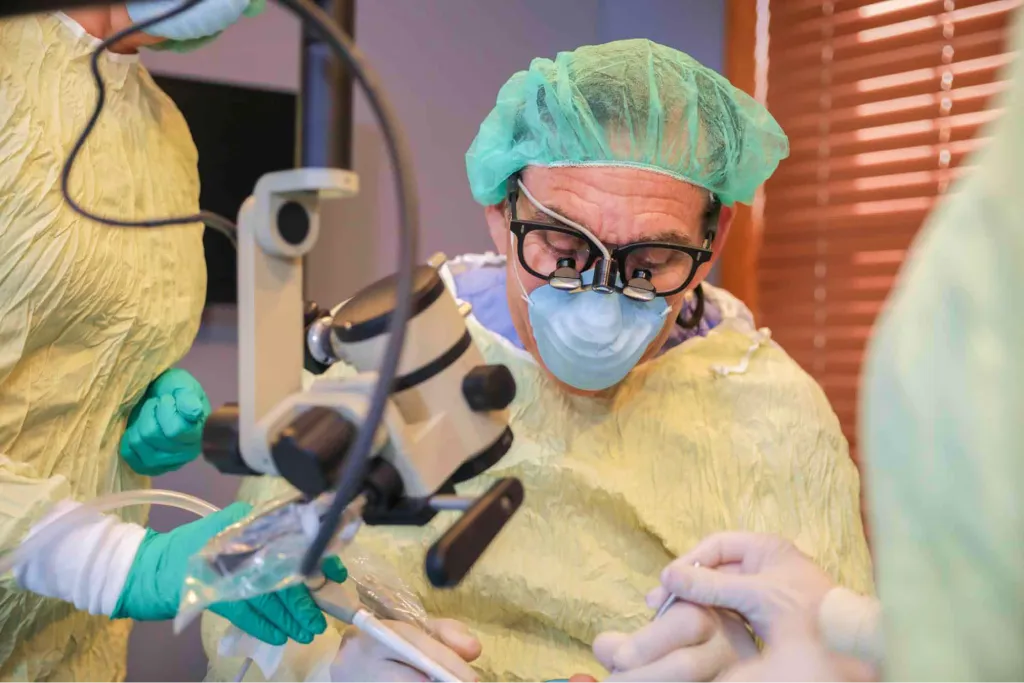
Dr. Meltzer and Dr. Isleem perform comfortable tooth extractions using modern techniques and anesthesia to make the procedure as smooth as possible. When appropriate, they can also help you plan for a permanent replacement with a dental implant, restoring both function and confidence.
Key Benefits of Gentle Tooth Extraction
Fast Pain Relief
Living with continuous toothaches or deep throbbing pressure distracts you from your daily routine. Extracting the damaged tooth removes the infected tissue and inflamed nerve, providing fast relief and putting an end to lingering discomfort.
Prevents Infection
Infection inside a tooth does not remain isolated. Left untreated, bacteria can travel into the surrounding gums, neighboring teeth, and underlying jawbone. Timely extraction stops the infection in its tracks, preserving the surrounding tissue and protecting your overall health.
Foundation for Implants
Removing a non-restorable tooth is often the first step toward rebuilding a healthy smile. Removing damaged structure creates a clean site for long-term restorative options like a dental implant.
Protects neighboring teeth from ongoing damage
Comfort-focused care with local anesthesia and sedation options

The Tooth Extraction Process
1
Comprehensive Assessment and Imaging:
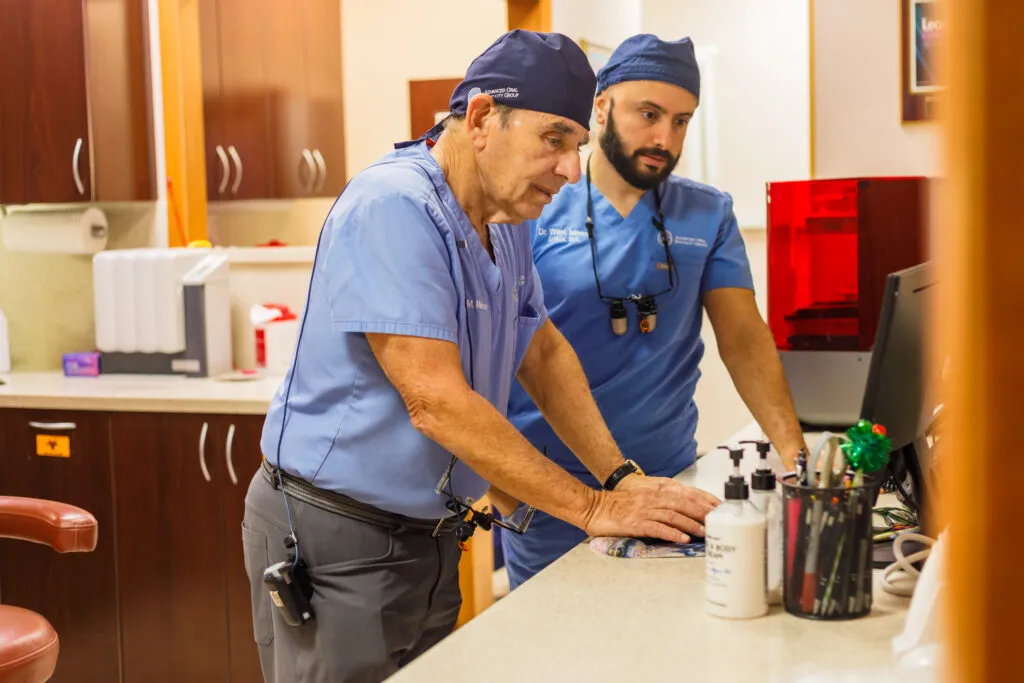
We thoroughly evaluate your mouth and take digital 3D imaging to view the exact position of the tooth roots and surrounding jawbone, ensuring a precise and predictable removal strategy.

2
Complete Area Numbing:
We administer local anesthesia to completely numb the tooth, gums, and surrounding jaw tissue so you will not feel pain during the procedure.
3
Gentle Extraction:
Dr. Meltzer or Dr. Isleem uses precise, conservative instruments to gently loosen and lift the tooth from its socket while preserving as much surrounding bone and healthy tissue as possible.
4
Socket Preservation and Future Planning:
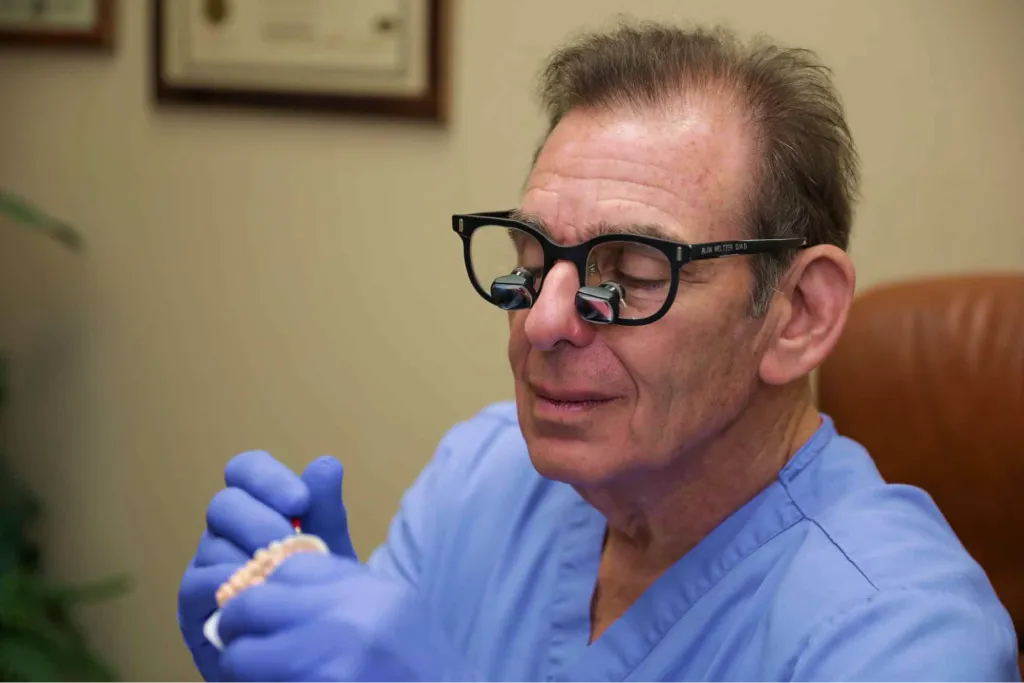
If you plan to replace the missing tooth, we can place a bone graft into the empty socket. This material maintains jaw density to keep the bone strong and ready for a future dental implant.
5
Clear Aftercare and Guided Recovery:
We provide clear, simple instructions on home care, soft food choices, and pain management techniques to help your mouth heal quickly and comfortably.
Looking Beyond the Extraction
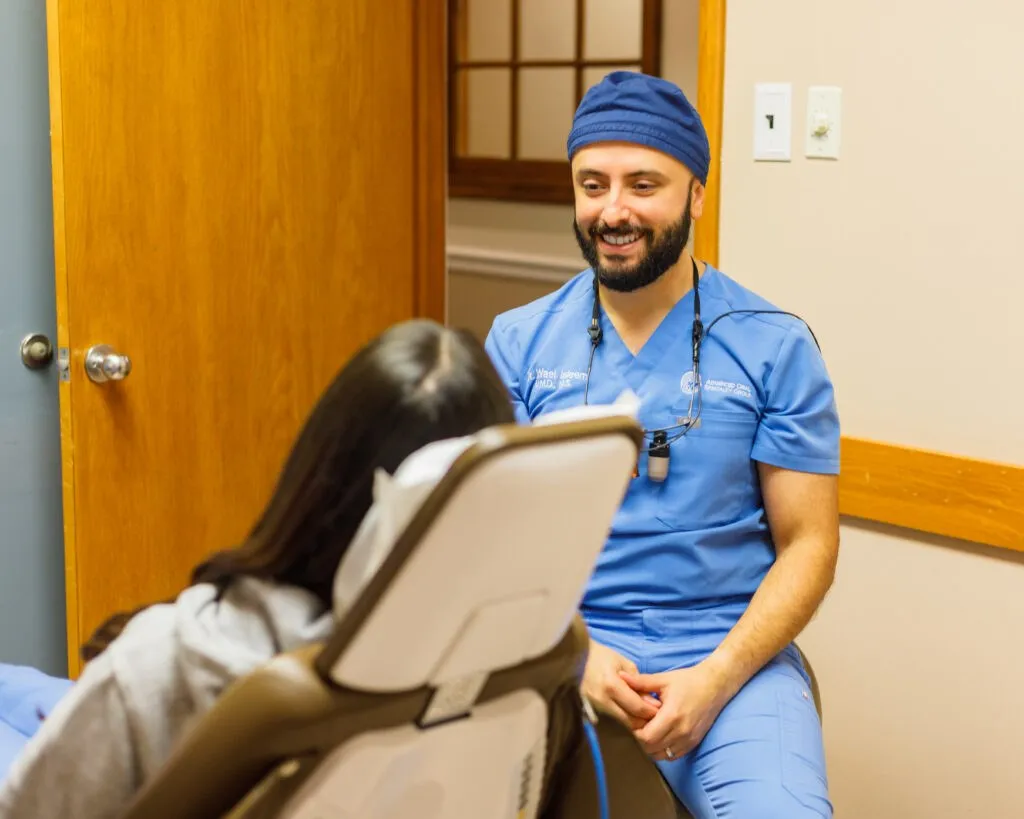
Removing a damaged tooth is often the first step toward restoring your oral health. Once the source of pain or infection is gone, you have the opportunity to replace the missing tooth with a solution designed for long-term function.
Dr. Alan Meltzer and Dr. Wael Isleem specialize in dental implants, creating permanent replacements that look, feel, and function like natural teeth. With careful planning and advanced technology, they help patients rebuild a strong, healthy foundation that supports lasting results.
Signs You Need A Tooth Pulled
Chronic toothache
Presence of infection
Impacted tooth
Severe gum disease
Dental trauma
Extreme cases of tooth decay
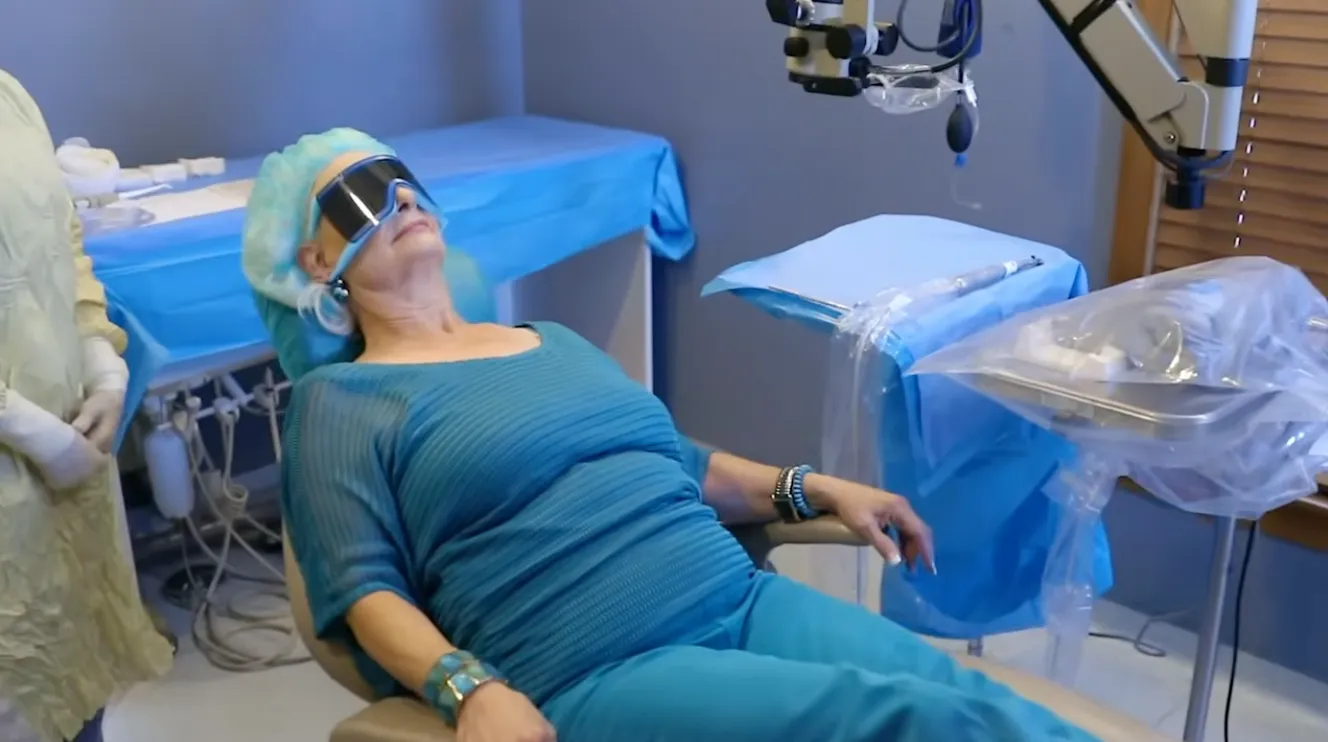
What to Expect From a Tooth Extraction
Learn how imaging, anesthesia, gentle extraction technique, and socket preservation work together—and how a dental implant can restore what was lost after healing.
Move Forward With Experienced Specialists
If a tooth extraction is part of your treatment plan, you can move forward knowing you have experienced specialists to guide every step, from relieving pain today to restoring your smile for years to come.

Frequently Asked Questions
How do I know if I need a tooth extraction?
A tooth extraction may be recommended if a tooth is severely damaged, infected, fractured, or cannot be restored with other treatments. Dr. Alan Meltzer and Dr. Wael Isleem will evaluate your tooth and discuss the best option for your long-term oral health.
Is a tooth extraction painful?
Modern tooth extractions are performed using local anesthesia, and sedation options are available for patients who feel anxious. Our goal is to keep you as comfortable as possible throughout the procedure.
How long does it take to recover from a tooth extraction?
Most patients begin feeling better within a few days, although complete healing of the extraction site may take several weeks depending on the complexity of the procedure.
Can I replace my tooth after an extraction?
Yes. Many patients choose to replace an extracted tooth with a dental implant, which provides a stable, long-lasting solution that looks and functions like a natural tooth.
What should I eat after a tooth extraction?
Soft foods such as yogurt, applesauce, mashed potatoes, and soup are recommended for the first few days. Your doctor will provide detailed instructions based on your treatment.
When should I call the office after my extraction?
Contact our office if you experience severe pain that doesn't improve, excessive bleeding, swelling that worsens after several days, or signs of infection such as fever.